
Mauritius in June: weather, activities and tips
Updated: August 2026
What's the weather like in Mauritius in June?
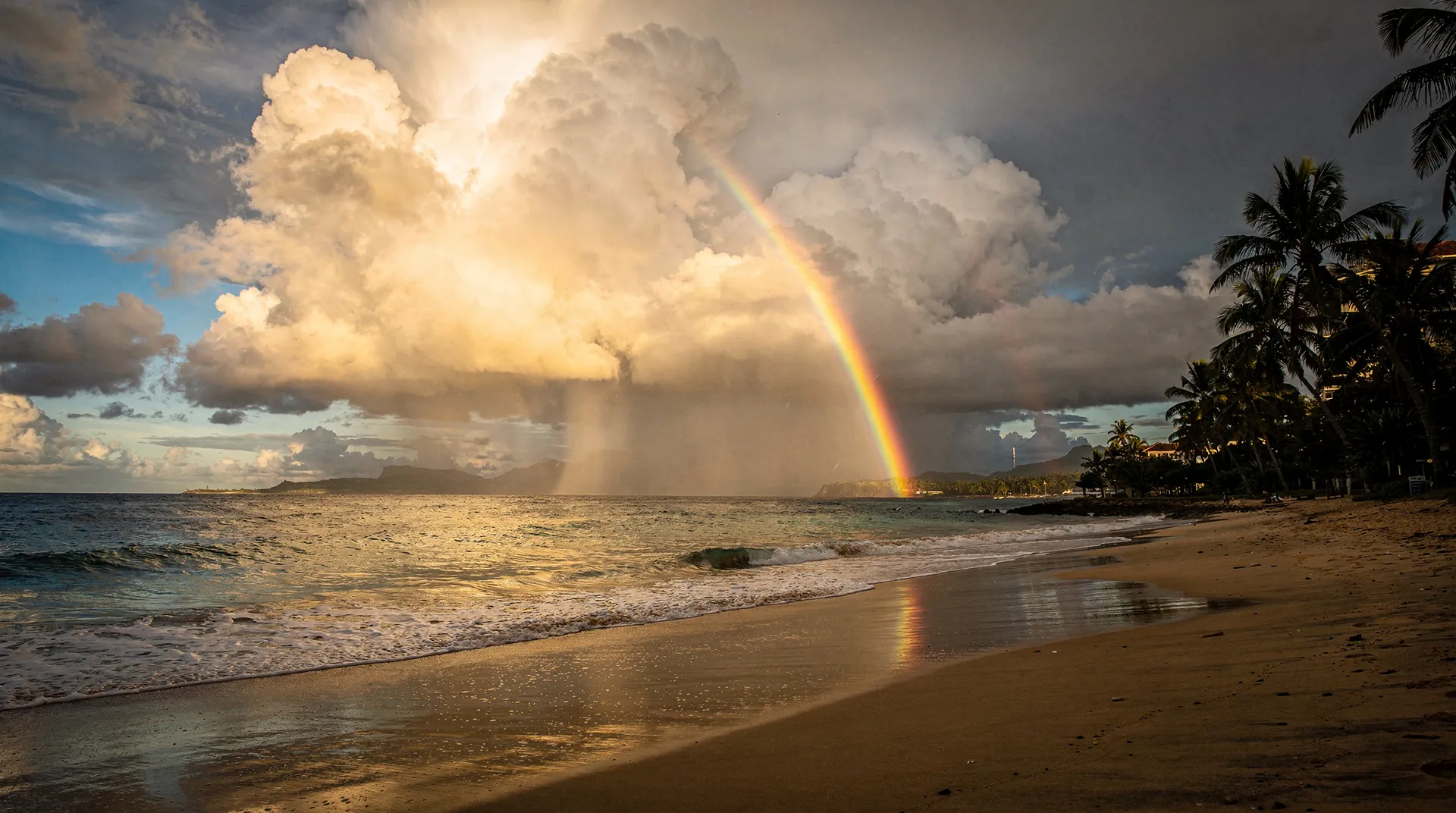
June is cool, dry and sunny on the west coast. The east coast can be windy. Excellent conditions for hiking, kitesurfing and diving.
Mauritius in June: the southern winter in full swing
June marks the start of the heart of Mauritius’s cool season. The trade winds blow with real strength, the sky turns a deep blue, and humidity gives way to a dry, luminous atmosphere. It’s a month of contrasts between the coasts: the west coast is a calm, sunny paradise, while the east coast is at the mercy of wind and waves, making it the favourite playground for kitesurfers and windsurfers.
June is often the last window of calm before the arrival of the big French school summer holidays in July. It’s a prime moment to explore the island in excellent weather conditions, without the crowds or the high-season prices. Our guide to the best time to visit Mauritius ranks June among the very best months, just below May and October but ahead of nearly every month of the hot season.
At a glance: June in Mauritius
| Criteria | Detail |
|---|---|
| Weather | Cool and dry, 22 to 26°C by day, trade winds picking up |
| Prices | Mid-range, rising towards the end of the month |
| Crowds | Quiet in the first half, busier afterwards |
| Best area | West coast (Flic-en-Flac, Le Morne, Tamarin) |
| Book in advance | Not much needed early June, advisable late June |
| Great for | Kitesurfing, diving, hiking, golf, last calm spell before July |
Weather and temperatures in June
Cool, pleasant temperatures
Temperatures in June mark a further step down into the winter cooling. Daytime highs settle between 22 and 26°C along the coast. Nights are cool: 17 to 20°C on the coast, and 13 to 16°C on the central plateau (Curepipe, Vacoas). A jumper or a light jacket for the evenings becomes essential, even for those used to mild winters.
For European travellers escaping the spring grey or taking their first tropical trip, these temperatures are often described as ideal. You can tan without burning, walk without sweating, and sleep comfortably without air conditioning. It’s a balance shared with July and August, though May and October come close too.
On the island’s central plateau (Chamarel, Vacoas, Curepipe), afternoon temperatures rarely climb above 20°C in June. A jumper is recommended for excursions into the highlands — the Black River Gorges and the Plaine Champagne plateau are cool towards the end of the day.
Dry, sunny weather: the big plus
June is one of the driest months of the year. Rainfall on the northwest coast falls to 40-50 mm, over just 5 to 7 days. Most days are sunny from sunrise to sunset, with occasional passing clouds linked to the trade winds but rarely disruptive. Average sunshine reaches 8 to 9 hours a day on the west coast.
The central plateau and the east coast get more rainfall due to their direct exposure to the humid southeast trade winds. Morning fog is possible in the highlands of Curepipe and Vacoas — a fascinating climatic quirk for a tropical country.
The west coast benefits from a foehn effect off the central mountains: as the trade winds push moisture against the eastern slopes of the island, the west coast stays dry and sunny. This microclimate is one of the great strengths of Flic-en-Flac, Tamarin and Le Morne.
Sea and underwater visibility
The sea gradually cools: 23 to 25°C in June. For those used to warm water, a 3 mm wetsuit is recommended for long dives or early morning snorkelling sessions. For travellers used to Atlantic waters (15-18°C), it’s perfectly comfortable. Underwater visibility rises to 30 to 40 m at the best sites — among the best conditions of the year for appreciating the Mauritian seabed. Our snorkelling and diving guide covers the must-see sites on the west coast for this time of year.
The east coast is rough, with regular swells (1 to 2 m). The lagoon protects swimmers from the waves, but open-sea navigation is harder. The west coast, by contrast, offers a calm, crystal-clear sea, ideal for swimming and relaxed snorkelling.
The southeast trade winds pick up strength
The southeast trade winds blow between 15 and 30 knots in June, with gusts reaching 35 to 40 knots on the east coast during the strongest spells. These winds are steady and consistent — a blessing for kitesurfers and windsurfers, but a nuisance for those seeking absolute calm on the beach.
On the west coast, the wind is effectively softened by the island’s central mountains. The beaches of Flic-en-Flac, Wolmar and Le Morne stay calm and pleasant even during spells of strong wind elsewhere on the island.
Crowds and prices in June
Before the big holidays: the last quiet window
June comes before the French summer school holidays, which start in late June/early July. The first half of the month is still quiet, with few European tourists around. It’s one of the last calm windows before the summer high season. Beaches are lightly used, restaurants are available without booking, and local guides are easy to come by.
The second half of June sees the first holidaymakers arrive, along with families who chose to travel before the July rush. Prices start climbing gradually. The most sought-after properties can be fully booked by the end of the month.
Mid-range prices
June rates sit in the mid-range — above May but well below July prices. The first half of the month offers good prices; the second half sees a gradual rise. For flexible travellers who want southern winter conditions without paying July prices, early June is often the ideal time. Our Mauritius budget guide gives precise benchmarks for every category of accommodation.
Recommended activities in June
Kitesurfing and windsurfing: the season truly begins
June marks the real start of kitesurfing season in Mauritius. Le Morne lagoon, on the southwest coast, is world-famous for its exceptional winter conditions. In June, the trade winds blow with enough regularity and strength to deliver satisfying sessions day after day.
One Eye, the legendary wave off Le Morne accessible from the main spot, starts to show in June. Experienced surfers and kitesurfers from around the world begin to arrive. Kitesurf and windsurf schools offer beginner lessons in ideal conditions — steady wind, a lagoon-protected sea, and skilled instructors.
High-quality diving
June is excellent for diving and snorkelling. Visibility is among the best of the year, marine life is abundant, and conditions on the west coast are stable. The sites off Flic-en-Flac — the Wolmar drop-off, Cathedral, Shark Place — are at their best. Encounters with reef sharks, giant moray eels and schools of barracuda are regularly reported by divers.
Catamaran excursions to Ile aux Benitiers and Crystal Rock in the southwest lagoon are particularly enjoyable in June, with calm seas and exceptional visibility.
Swimming with dolphins
The spinner dolphins of Tamarin bay are reliably present every morning, all year round. June is especially pleasant for this activity: calm sea on the west coast, good underwater visibility, comfortable temperatures. Our complete guide to swimming with dolphins covers responsible operators and best practices for an ethical experience.
Book your swim with dolphins in Tamarin outing from your accommodation — spots go quickly at the start of the dry season.
Hiking and mountain sports
Cool temperatures make June an ideal month for hikers in Mauritius. The climb up Piton de la Petite Riviere Noire (828 m, the island’s highest point) is especially pleasant, with altitude winds that cool without cutting. The Plaine Champagne plateau offers sweeping views over the whole island on cloud-free days.
For a safe, guided ascent of the island’s most iconic peak, the guided hike at Morne Brabant is ideal in June, with the exceptional visibility of the dry season.
The Black River Gorges, accessible from the national park, are stunning in June: Java deer and cynomolgus green monkeys are easy to spot amid vegetation that’s more open than in the rainy season. Mountain-bike circuits through the private estates of Chamarel and Bel Ombre are popular. The cool weather allows for long outings without fear of dehydration.
Whale watching (start of the season)
Whale watching season officially begins in June in Mauritius. Humpback whales start passing through Mauritian waters during their migration from Antarctica to warm tropical waters. The first sightings generally happen towards the end of the month, with numbers rising gradually until October. West coast operators run boat trips to spot these ocean giants. Our complete guide to whale watching in Mauritius covers the species, the timing and recommended operators.
Golf in ideal conditions
With temperatures of 22 to 26°C, June is perfect for golf. The major courses — Ile aux Cerfs Golf Club, Tamarina Golf Club, Heritage Golf Club — are less crowded than during the July high season and sometimes offer reduced green fees. Playing conditions (dry grass, steady but not excessive wind) are excellent for experienced golfers.
Ile aux Cerfs in June
Ile aux Cerfs remains accessible and beautiful in June, though the trade winds can stir up a bit of chop on the east coast. The lagoon waters stay protected and the white sand beach is stunning. Book your catamaran excursion for the morning, when the wind is generally calmer.
Cultural discovery and food
June is a great month for exploring the markets and bustling neighbourhoods of Grand Baie and Port Louis. The first half of the month, before the big holidays start, lets you visit these sites in good conditions. The most popular beaches in Mauritius on the west coast are still fairly quiet.
Events in June
Corpus Christi: the Creole Catholic community celebrates this feast with colourful processions through the villages. The Mahebourg area and the southern villages are especially lively.
Orchid season: the island’s botanical gardens and nurseries showcase tropical orchids in bloom. Mauritius’s endemic varieties, some found nowhere else in the world, flower during the southern winter — a remarkable period for botany enthusiasts.
Sporting tournaments: cricket, football and kitesurfing competitions fill June’s sporting calendar. Cricket is Mauritius’s national sport — watching a local match is an authentic cultural experience.
Start of deep-sea fishing season: sport fishing clubs relaunch their activities in June. Marlin and tuna return to the deep waters around the island.
Recommended areas in June
West coast (Flic-en-Flac, Le Morne, Tamarin): the coast to prioritise in June, no question. Sheltered from the trade winds, it offers a calm sea, plenty of sunshine and spectacular sunsets over the Indian Ocean. Le Morne Brabant, a UNESCO World Heritage site, is especially beautiful in winter with its imposing silhouette against an intense blue sky.
East coast for wind sports fans: Belle Mare and the northeast coast are ideal for kitesurfers and windsurfers chasing strong wind. Beaches are deserted on weekdays — perfect for sports sessions without the crowds.
North coast (Grand Baie, Trou aux Biches): pleasant in June with good protection from the southeast winds. Grand Baie’s buzz — restaurants, shops, boat trips — is on offer without the high-season overload.
South coast (Blue Bay): the Blue Bay marine park is excellent in June. The cooler sea improves visibility in the lagoon and the coral is in great condition. A snorkelling trip to Blue Bay in June is a remarkable experience.
Inland: the natural spaces of the central plateau are stunning in winter. The Bel Ombre nature reserve, the Macabe forest and the Black River Gorges are accessible in optimal conditions. Chamarel and its coloured earth are spectacular in dry weather.
Accommodation and transport in June
The first half of June offers the best rate opportunities of the cool season. Our complete guide to accommodation in Mauritius covers every option for your budget — the west coast remains the most recommended base for making the most of June.
For getting around, June is ideal for renting a car and exploring the whole island. Mountain roads are dry and pleasant. Our guide to renting a car in Mauritius covers the practical rules and recommended routes for exploring the island independently.
What to pack in June
The classic mistake is packing an entirely summer wardrobe. In June, bring a jumper or a light fleece for the evenings, a windbreaker for boat trips and kitesurfing sessions, and something warmer if you’re heading up to the central plateau, where nights drop below 15°C. A swimsuit and a light wetsuit (3 mm shorty) remain essential for making the most of the sea and diving. Our flight and airline guide for Mauritius and our travel insurance guide help you round out your trip preparations.
June compared to other southern winter months
| Month | Weather | Crowds | Prices | Highlights |
|---|---|---|---|---|
| May | Mild, sea still warm | Low | Low | Best value for money |
| June | Cool and dry, trade winds picking up | Low then moderate | Mid-range | Last calm window, wind sports |
| July | Same, windier | High season | High | Kitesurfing at its peak, French families |
| August | Same as July | High season | High | Whales, slightly less crowded |
To plan a multi-day trip, take a look at our 7-day Mauritius itinerary, which suits June’s pace and weather very well. Those who want to stay near the best wind spots can check our guide to where to stay at Le Morne, and lovers of total calm will appreciate Mont Choisy beach.
Verdict: should you visit Mauritius in June?
June is an excellent month for a wide range of travellers. Nature lovers, hikers, divers and wind-sports enthusiasts will find near-perfect conditions. Families with children enjoy a great balance on the west coast, even if the sea is slightly cool for the more sensitive.
The only ones who should think twice are those dreaming of calm east coast beaches with a flat sea, or long swims in very warm water: those conditions are better found in November-December. For wind sports, hiking and diving, June is among the best months of the year.
Overall June rating: 8/10 — An excellent month, especially for the west coast and outdoor sports activities.