
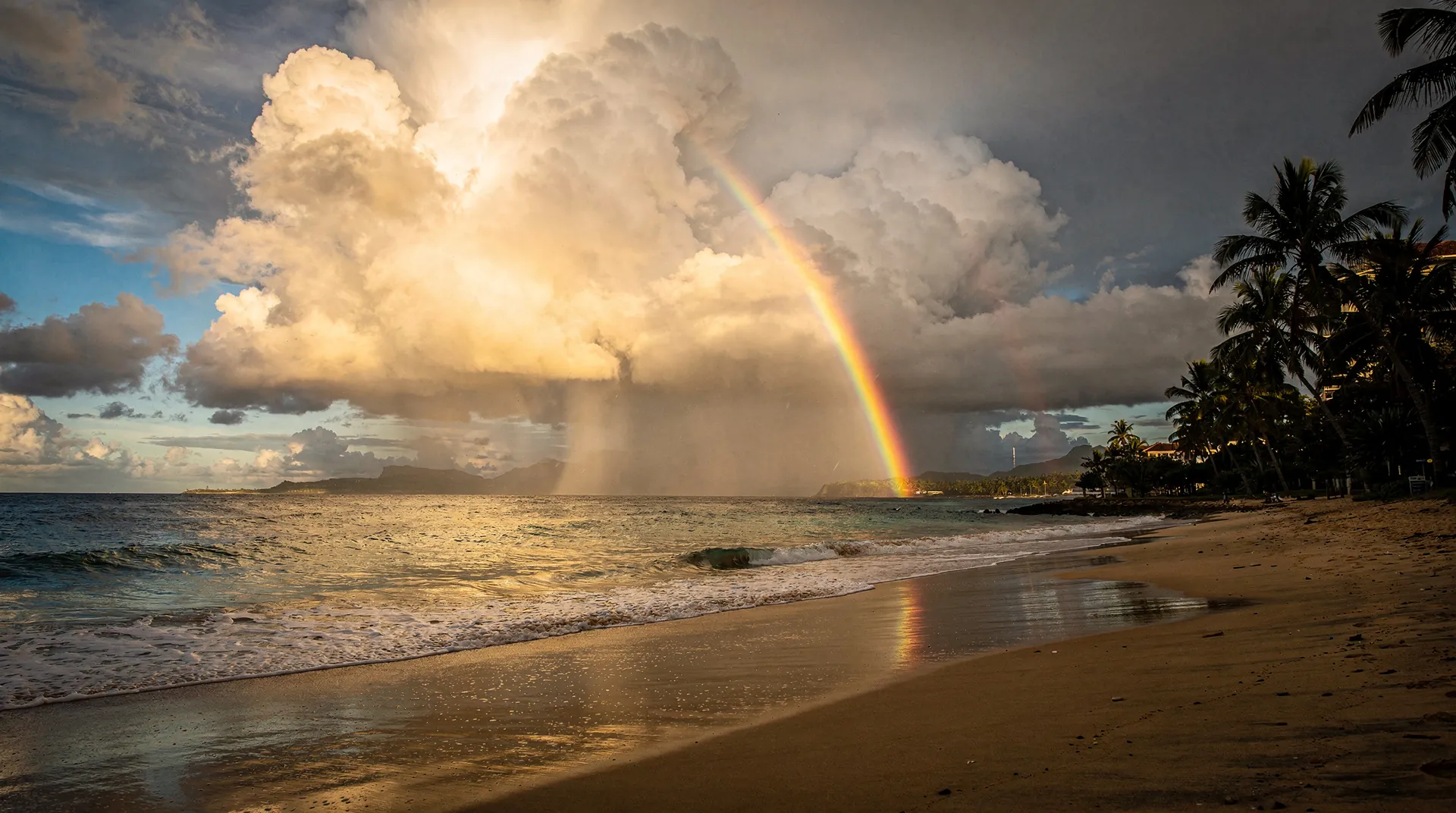
Best time to visit Mauritius
Updated: August 2026
What is the best time to visit Mauritius?
October and May are the ideal months: perfect weather, fewer crowds and reasonable prices. June through November suits most travelers.
When to visit Mauritius: it all depends on you
Mauritius is a year-round destination, but not every period is equal depending on what you’re looking for. Seasoned divers, passionate hikers, budget-conscious travelers, honeymooning couples or families with kids — every profile has its ideal window. This guide helps you pinpoint the time that best matches your expectations.
For a detailed look at the island’s climate month by month, see our full weather guide to Mauritius. For specific cyclone-related risks, our Mauritius cyclone guide covers everything you need to know.
| Where | Mauritius, Indian Ocean |
| Best overall period | May to December, peaking in October |
| Period to avoid | January-February (heat, humidity, cyclones) |
| Price gap, high vs. low season | About 30 to 100% depending on the period |
| Direct flight from Paris | About 11 hours |
Quick month-by-month summary
Before diving into the details, here’s a quick rundown of each month:
- January: hot, humid, cyclones possible, high season for school holidays (Christmas/New Year), high prices
- February: hottest month, peak cyclone risk, some good deals outside school holidays
- March: end of summer, still hot, cyclone risk easing, prices dropping
- April: pleasant transition, falling prices, a good option for flexible travelers
- May: excellent — cool, dry, few crowds, great value for money
- June: good but windy on the east coast, perfect on the west coast for the beach
- July: French summer holidays, cool and dry, crowds and prices climb sharply
- August: cool, windy, whales offshore, outstanding hikes
- September: very good, spring settling in, gentle prices, few crowds
- October: perfect, the best month of the year according to most travelers
- November: very good, some clouds, before the rainy season
- December: end-of-year holidays, hot, high prices, festive atmosphere
The best time for the beach and swimming
If your priority is swimming, sunbathing and perfectly calm turquoise water, October to December and April to May offer the best compromise. The sea is warm (24 to 27°C), lagoons are calm, and skies are clear enough.
West coast (Flic-en-Flac, Le Morne): ideal from May to November. Sheltered from the trade winds, the sea stays calm even in the depths of the austral winter. The water remains accessible and pleasant year-round.
North coast (Grand Baie, Trou aux Biches): excellent from September to December and April to May. In winter, a few days of swell can disrupt swimming.
East coast (Belle Mare, Palmar): best from November to March, when the trade winds ease. In winter, the sea can be rough and windy.
South coast (Blue Bay, Mahebourg): good year-round for Blue Bay (protected lagoon), with a preference for summer when the winds calm down.
Avoid for pure beach time: July-August on the east coast (too windy) and January-February if you don’t like sticky, humid heat.
The best time for scuba diving
Mauritius offers exceptional dive sites all year round, but visibility and conditions vary.
Best visibility: July to November. The sea is cooler but visibility reaches 30 to 40 meters at some sites. Currents are stable, waters are clear, and marine life is abundant. It’s also when you can spot humpback whales offshore (August-October).
Summer diving (December to March): visibility is slightly reduced (20 to 30 m) due to plankton. On the other hand, it’s the ideal season to observe tropical fish during their breeding behavior. Sea turtles are especially active.
Top sites by season:
- East coast and Ile aux Cerfs: year-round, but best in summer for warm waters
- West coast (Flic-en-Flac): excellent in winter for visibility
- Coin de Mire and the northern islands: ideal from September to December
Water temperature ranges from 22°C in August to 29°C in February. A thin wetsuit (3 mm) is recommended from June to September. For more on water activities, see our snorkeling and diving guide to Mauritius.
The best time for hiking
Mauritius has remarkable trails in the Black River Gorges National Park, around Petite Riviere Noire Peak (828 m) and across the central plateau.
Ideal season: June to September. Cool temperatures (22 to 26°C during the day) make climbs comfortable. The terrain is dry and trails are easy to walk. Views are clear, offering spectacular panoramas. Low humidity makes the effort easier.
Avoid for hiking: January to March. Heat and humidity are overwhelming. Forest trails can be slippery after heavy rain.
Easy walks and nature: pleasant year-round. Waterfalls are more impressive during the rainy season. Nature parks (Chamarel, Pamplemousses) are enjoyable even in hot weather thanks to the shade. To plan your outings in nature, our hiking guide to Mauritius details all the trails along with their difficulty level.
The best time for kitesurfing and sailing
Mauritius is world-renowned as a top-tier kitesurfing destination, especially thanks to the lagoon at Le Morne.
Kitesurfing season: June to September. The trade winds blow steadily and strongly (15 to 25 knots), creating perfect conditions for kitesurfers and windsurfers of all levels. Le Morne is considered one of the best kitesurfing spots in the world during this period. Kitesurfing lessons are available for beginners wanting to make the most of the windy season: book a kitesurfing lesson at Le Morne.
One Eye (Le Morne’s legendary spot): active from July to September, with outstanding surf and kitesurf conditions for experienced riders.
Light sailing and catamaran trips: best conditions from May to October. Catamaran outings are more enjoyable during this period, with steady winds and a moderate sea.
Surfing: the south coast (Tamarin, Riviere des Galets) sees quality swells from May to September.
The best time to spot whales
An often-overlooked bonus of Mauritius: humpback whales pass offshore during their annual migration.
August to October: optimal viewing period. Boat trips run from Le Morne and Tamarin to spot these 15-to-20-ton giants surfacing. It’s one of the most moving experiences you can have in Mauritius — and it coincides with generally excellent weather. Book your whale-watching trip in advance, as spots fill up fast in peak season: see whale-watching excursions in Mauritius.
The best time for a tight budget
If you want to stretch your budget, the low seasons offer hotel and flight rates well below high-season pricing.
Low season (best deals): February (outside school holidays) and September. Hotels can offer discounts of 30 to 50% compared to July or December rates. Flights are more affordable and beaches less crowded.
Shoulder season (good value for money): April-May and October-November. Weather conditions are excellent and prices stay reasonable. October can be slightly more expensive due to the French Toussaint school holidays.
High season to avoid on a tight budget:
- July (French summer holidays): +30 to 50% on accommodation
- December-January (Christmas and New Year): +50 to 100% during the holidays
For a full breakdown of costs by season, our Mauritius budget guide gives you price ranges by category.
The best time for a honeymoon
Mauritius is one of the world’s most sought-after honeymoon destinations. Romance, luxury and natural beauty come together here year-round.
October-November: the number-one choice for newlyweds. The weather is gorgeous (25 to 28°C), the sea warm and calm. Luxury hotels often offer special honeymoon packages (flower petals, candlelit beach dinners, private catamaran trips). Sunsets on the west coast from Flic-en-Flac or Le Morne are absolutely magical.
April-May: excellent for a honeymoon. After the rainy season, vegetation is lush and colors vivid. Stable, pleasant weather, reasonable prices, fewer crowds than in high season.
December (before the holidays): romantic, with the island’s festive atmosphere. The tropical heat adds a unique sensory dimension.
Avoid for a honeymoon: January-February (grueling heat and possible cyclones can spoil plans), July-August (rough east coast, cool nights).
For romantic accommodation for couples, our guide lists the island’s best romantic addresses.
The best time for families with children
Families with young children have specific needs: sea safety, suitable activities, bearable temperatures, no cyclones.
Ideal for families: October to December and April-May. The sea is calm, lagoons are safe, and temperatures are pleasant without being excessive. Nature activities suited to children (Casela Park, Pamplemousses, Chamarel) are easily accessible.
July-August is popular because it coincides with French school holidays. Conditions can be windy on the east coast — favor the west coast (Flic-en-Flac, Le Morne) for families during winter.
Be careful in summer (January-February) with children: heat and humidity can be hard on younger kids. Cyclone risks, even statistically low, add to the discomfort.
To plan everything with children, our family itinerary for Mauritius offers a complete program with the best kid-friendly activities.
The best time for a road trip
If you’re planning to explore the island by car, the dry season (May to October) is ideal: roads are dry, views are clear, driving conditions are optimal. Our Mauritius road trip guide offers complete itineraries.
Summer isn’t ideal for a road trip due to tropical downpours that can interrupt a day of exploring, but the landscapes are greener and the waterfalls more impressive after the rain.
Summary table by profile
Beach and swimming: October, November, May, April (west coast: add June to September)
Scuba diving: July to November for visibility, December to March for marine life
Hiking and nature: June, July, August, September
Kitesurfing and wind sports: July, August, June, September
Tight budget: September, February (outside school holidays), April, May
Honeymoon and romance: October, November, May, early December
Family with children: October, November, May, July (west coast only)
Whale watching: August, September, October
Road trip: May, June, September, October
Detailed seasonality: weather, crowds and prices by season
To place the month-by-month recommendations into a broader picture, here are the island’s three main seasons:
| Season | Months | Weather | Crowds | Prices |
|---|---|---|---|---|
| Hot austral summer | December to March | Hot, humid, cyclone risk (peaking January-March) | Very high in December-January, quieter in February-March | High in December-January, dropping in February-March |
| Transition | April, November | Pleasant, still some rain | Moderate | Reasonable |
| Dry austral winter | May to October | Dry, cool, trade winds | High in July-August (French holidays), quiet the rest of the time | High in July-August, gentle the rest of the period |
This overview confirms what the monthly summary already shows: the best windows are either the heart of the austral winter (May, June, September) or the transition months (October, April), which combine reliable weather with manageable crowds.
What the season actually changes on the ground
The choice of season doesn’t just affect the weather shown on an app. In high season (July-August, December-January), the popular restaurants of Grand Baie fill up without a reservation, catamaran excursions to Ile aux Cerfs book out several days ahead, and traffic on the main tourist roads (the north coast road, access to Le Morne) slows noticeably.
In low season, the island breathes more easily: tables available at the last minute, near-empty beaches on weekdays, but also some seasonal businesses closed and a quieter evening atmosphere. Neither is objectively “better” — it depends on what you’re looking for in your trip.
Our final verdict: the best month of the year
If you can only pick one month, pick October. It’s the consensus among nearly every experienced traveler and Mauritian tourism professional: blue skies, calm seas, perfect temperatures, few crowds and reasonable prices. It’s the month that packs in the most upsides with the fewest downsides.
May is the perfect second choice, especially for those who want to avoid October’s crowds (the Toussaint school holidays in France drive up prices and visitor numbers).
For flexible travelers on a tight budget, September is a revelation: weather conditions improve day by day, prices are among the lowest of the year, and the island regains its calm after the summer holiday rush. A still-underrated gem.