
The best beaches in Mauritius: a complete guide by area
Updated: August 2026
What is the most beautiful beach in Mauritius?
Belle Mare (east coast) and Trou aux Biches (north coast) are often named among the most beautiful. For tranquility, head to Le Morne in the south-west. For snorkeling, choose Blue Bay.
The beaches of Mauritius: a full tour of the coastline
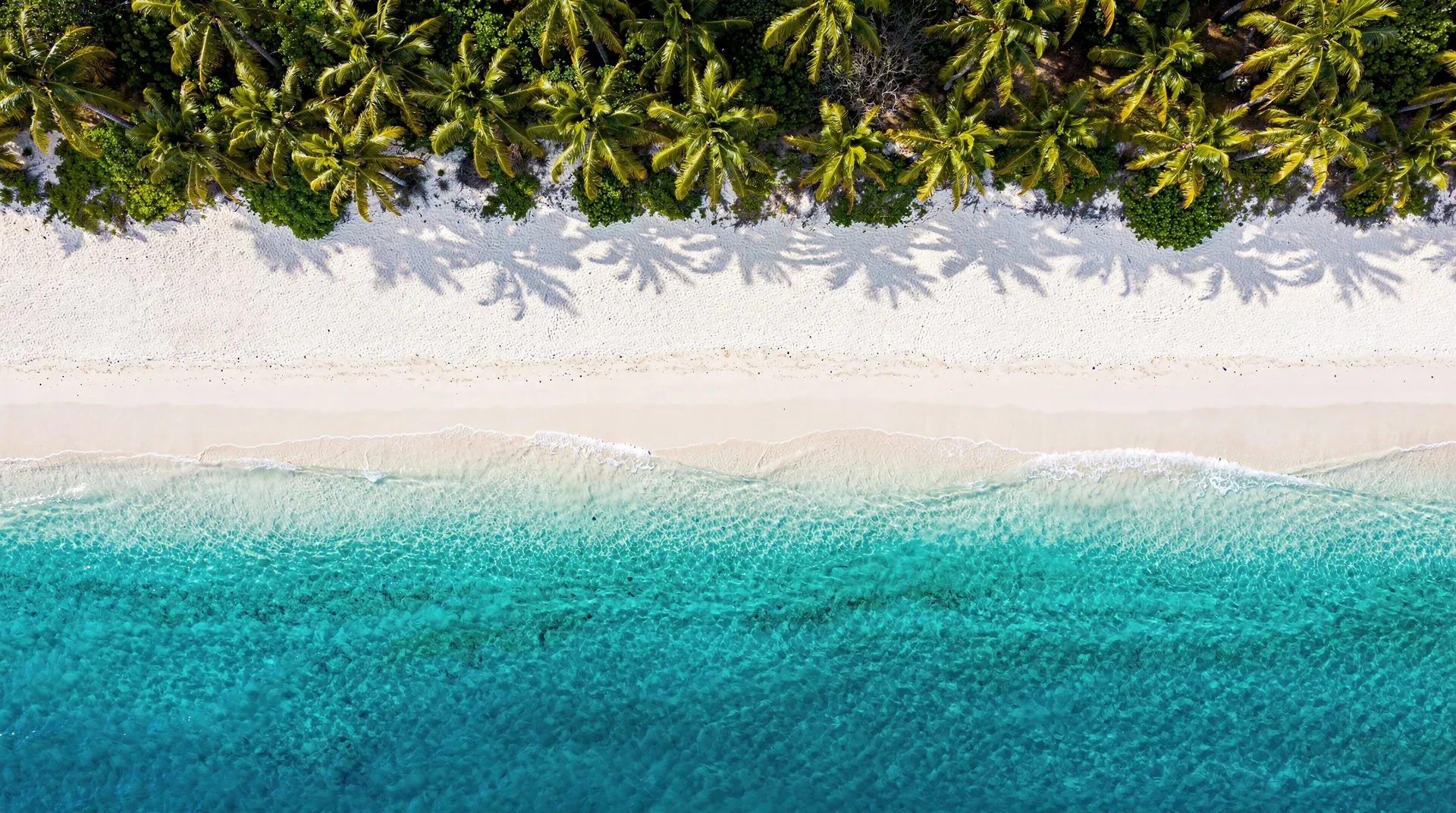
Mauritius is ringed by beaches that rank among the most beautiful on the planet. White or golden sand, a turquoise lagoon protected by a coral reef, palm trees leaning over the water, casuarinas shading the warm sand — the postcard clichés about Mauritian beaches are all true. But behind this picture-perfect image lies a more nuanced reality: not all beaches are alike, and choosing the right one for your needs is essential for a successful holiday.
With more than 150 accessible beaches all around the island, Mauritius offers a coastal diversity that will satisfy even the most demanding travelers. Snorkeling enthusiasts won’t pick the same coast as families with young children, and couples looking for peace and quiet won’t frequent the same spots as surfers chasing waves. This guide presents the best beaches on each coast, with detailed features, to help you make the best choice.
To plan your beach days, take a look at our guide to car rental in Mauritius — essential for freely exploring the different coasts. And if you want to know which time of year is best for swimming and sunshine, our guide to the best time to visit Mauritius will give you all the details you need.
At a glance
| Where | More than 150 public beaches spread across the north, east, west and south coasts |
| Price | Free — beach access is guaranteed by Mauritian law |
| Time needed | Half a day per beach on average, a full day for Belle Mare or Le Morne |
| Getting there | A rental car is recommended for hopping between several beaches, otherwise a day taxi |
| Best time | May to December for calmer seas, avoiding the January-February lull (cyclone season) |
The north coast: lively and blue-green lagoons
The north coast of Mauritius is the most touristy and lively. It benefits from a slightly drier microclimate than the rest of the island and calm waters, ideal for families. This is where the majority of hotels and tourist infrastructure are concentrated. Northern beaches are often crowded in high season but reward visitors with spectacularly milky blue-green waters.
Trou aux Biches
The benchmark of the north. Trou aux Biches is often ranked among the ten most beautiful beaches in the world, and that’s no exaggeration. Its shallow lagoon with incredible milky blue-green waters, its very fine sand, and the casuarina trees shading the coastal path make it a dream spot. The beach stretches over more than two kilometers and offers enough space to find a quiet corner even in high season, provided you arrive early.
- Strengths: Calm waters ideal for children, excellent snorkeling, easy public access, plenty of restaurants and services
- Weaknesses: Very busy in high season, numerous street vendors, some areas privatized by hotels
- Best for: Families, snorkeling, stays with young children
- Infrastructure: Restaurants, water sports equipment rental, public showers, pharmacy nearby
Snorkeling at Trou aux Biches deserves a special mention. The coral heads scattered across the lagoon shelter a rich array of marine life — parrotfish, clownfish, starfish, moray eels tucked into crevices. The spot at the northern end of the beach, near the Trou aux Biches Beachcomber hotel, is particularly recommended. For more details on underwater spots along the north coast, check our snorkeling and diving in Mauritius guide.
The Trou aux Biches area also offers plenty of accommodation options, from small guesthouses to luxury seafront hotels. For all the practical details on this beach — access, parking, best times to visit — see our dedicated guide to Trou aux Biches beach.
Grand Baie
Grand Baie isn’t strictly a dream beach — the waters here are less clear than elsewhere — but it’s the nerve center of north Mauritius tourism. Convenient for excursions, restaurants, shopping and nightlife. The public beach (La Cuvette) is decent but not exceptional.
- Best for: Nightlife lovers, shopping, excursion departures, lively atmosphere
- Less suited to: Pure, uncomplicated beach lounging
The Grand Baie area is the ideal starting point for catamaran excursions to the northern islands — Ile Plate, Ile Gabriel, Ile Ronde. If this appeals to you, our guide to catamaran outings in Mauritius covers all the available options, from day trips to sunset cruises. You can also book your catamaran cruise to the northern islands directly, including lunch and snorkeling.
Mont Choisy
Right next to Trou aux Biches, Mont Choisy is a long white sand beach lined with century-old casuarina trees. The atmosphere is a little calmer than at Trou aux Biches. It’s a beach much loved by Mauritian families on weekends, giving it an authentically local vibe you won’t find on more touristy beaches.
- Strengths: Large beach, less crowded on weekdays, natural shade from casuarinas, free picnic area, easy access
- Best for: Mauritian families, local atmosphere, picnics, long walks
The natural shade of the casuarina trees is a real asset at Mont Choisy. Unlike most tropical beaches where you have to pay for a parasol, here the shade is free and plentiful. Ideal for families with young children who can’t stay in the sun too long. Our dedicated guide to Mont Choisy beach details the best shaded spots and access points.
Pereybere
A hidden gem north of Grand Baie, Pereybere is a compact but very pleasant beach, with a shallow lagoon ideal for children. Grilled fish restaurants line the beach and serve affordable meals in a relaxed setting. The atmosphere is more laid-back than Grand Baie, with a mixed crowd of tourists and locals.
Swimming at Pereybere is excellent: the lagoon is bordered by a nearby reef that creates a perfectly protected natural pool. Children can swim safely in clear, shallow waters. Find all the practical details in our Pereybere beach guide.
The east coast: unspoiled nature and trade winds
The east coast is exposed to the trade winds that blow from east to west. This means the sea is often rougher than elsewhere (watch out for waves), but also that these beaches are breezier and therefore less stifling in intense heat. It’s also the most unspoiled coast, with less hotel development than the north or west. Lovers of long wild beaches and pristine landscapes will find their happy place here.
Belle Mare
The most beautiful beach on the east coast. Belle Mare stretches for several kilometers, with sand as white as snow and waters ranging from emerald green to deep blue. The beach is lined with a few large luxury hotels, but the public beach remains open to everyone. The sight is simply breathtaking: an endless white line of pristine sand, turquoise gradient waters, and few crowds outside the hotel zones.
- Strengths: Impressive length, extraordinarily fine white sand, magnificent waters, few crowds on the public stretches
- Weaknesses: Can be windy, some areas reserved for hotels, fewer services outside hotel zones
- Best for: Lovers of long beaches, walking on sand, photography, couples
The Belle Mare area is one of the island’s most sought-after for luxury hotels. The Constance Belle Mare Plage and the Long Beach Hotel are the most renowned establishments in the area. For tide times, shaded spots and public access, our dedicated guide to Belle Mare beach answers all your questions.
Snorkeling at Belle Mare is moderate — the lagoon is sometimes stirred up by the trade winds, which reduces visibility. For the best underwater experience on the east coast, head to the waters around Ile aux Cerfs, reachable by boat from Trou d’Eau Douce. The most popular excursion remains the catamaran trip to Ile aux Cerfs with lunch included, which you can book online.
Palmar
Close to Belle Mare, Palmar is a beach less known to tourists but well-loved by connoisseurs. Quieter, with preserved vegetation and a few small seafood restaurants. The atmosphere is particularly gentle, somewhere between a wild beach and a quiet little fishing village. It’s an excellent alternative to Belle Mare for those seeking the same kind of natural beauty in an even less crowded setting.
Poste Lafayette
A wild beach at the northern end of the east coast. Few services but untouched natural beauty. The waters can be rough but the scenery is striking, with the trade winds swaying the coconut palms and waves breaking on the distant reef.
Trou d’Eau Douce
Less known for its beach than for its role as the departure point for Ile aux Cerfs, the village of Trou d’Eau Douce nonetheless has a charming waterfront and an authentic fishing-village atmosphere. If you’re visiting Ile aux Cerfs, save some time to wander this endearing village.
The west coast: sunsets and diving
The west coast is Mauritius’s “gentle” coast. Sheltered from the trade winds, the waters are calm and the sea is generally flat. It’s also the coast of spectacular sunsets and the best diving. The calm waters and flat sea make the west coast the most enjoyable for motorized water sports. It’s also the main departure point for swimming with dolphins, which live in Tamarin Bay.
Flic-en-Flac
Flic-en-Flac beach is one of the longest on the island: 8 km of sand lined with casuarinas. Very popular, lively, with numerous restaurants, bars and dive clubs. It’s Mauritius’s “Saint-Tropez”, but in a tropical, laid-back version. The buzz is constant, and the services are the most comprehensive on the west coast.
- Strengths: Long, lively, plenty of services, close to the island’s best dive spots
- Weaknesses: Very busy, street vendors, some parts can feel crowded
- Best for: Divers, party-goers, young travelers, long beachfront walks
The Flic-en-Flac area is the diving capital of Mauritius. Sites such as The Cathedral, The Wall of Coral and several spectacular wrecks make it a must-visit destination for divers. Our snorkeling and diving in Mauritius guide covers all these sites with recommended clubs and prices. For practical information specific to this beach, see our Flic-en-Flac beach guide.
Tamarin
A surfer village with bohemian charm, Tamarin has kept an authentic character that many other beaches have lost. The beach itself is decent, the waters calm within the bay, and the atmosphere very local and relaxed. Tamarin is best known for three things: surfing (left-hand waves during the southern winter), dolphins visible from the beach early in the morning, and its low-key beach village vibe.
- Strengths: Local atmosphere, less touristy, dolphins visible from the beach early morning, good quality-of-life ratio
- Best for: Independent travelers, those who love local life, surfers
The Tamarin area is the starting point for dolphin excursions. If you’d like to swim with wild dolphins, operators based in Tamarin and Black River run daily outings early in the morning. A magical experience not to be missed.
You can book your swim-with-dolphins outing in Tamarin online with instant confirmation. For all the details on this beach, see our Tamarin beach guide.
La Preneuse
A small, little-known beach between Tamarin and Black River. Ideal for couples seeking privacy. A beachfront restaurant serves excellent seafood in a particularly romantic setting, feet almost in the water.
Black River (riviere noire)
A long, breezy beach south of Flic-en-Flac. Departure point for dolphin excursions. The neighboring fishing village adds local color, with brightly painted boats pulled up on the sand. Good waves for bodysurfing and learning to surf.
The south-west coast: Le Morne and wild beaches
Le Morne
The most photogenic in Mauritius. Le Morne beach, at the foot of the mountain massif of the same name (a UNESCO World Heritage site), is breathtakingly beautiful. White sand, turquoise lagoon, coconut palms, and in the background Le Morne Brabant standing out against an often cobalt-blue sky. This is the image of Mauritius you see on every postcard, and the real thing is even more beautiful than the photos.
- Strengths: Unmatched scenic beauty, calm and shallow waters, perfect wind for kitesurfing and windsurfing
- Weaknesses: Fairly isolated, few services outside the luxury hotels
- Best for: Couples, photographers, kitesurfers, lovers of grand landscapes
The Le Morne area is world-renowned for kitesurfing and windsurfing. The shallow lagoon and steady winds make it the ideal spot to practice these sports, from beginner to professional competitor. If you’d like to try kitesurfing or surfing in Mauritius, this is where you’ll find the best conditions and the best schools.
Bel Ombre
A little further east, Bel Ombre is a protected area in the south-west with wild beaches and a few beautiful luxury hotels. The Bel Ombre estate is a former colonial plantation converted into an upscale tourism domain. The neighboring beach is magnificent and relatively uncrowded.
The wild south: cliffs and raw landscapes
The south of Mauritius doesn’t have the same beach-holiday vocation as the north or west — the sea here is often rough and swimming is sometimes dangerous or even forbidden — but it’s the coast to prioritize for the island’s most spectacular scenery. Basalt cliffs pounded by waves offer a very different spectacle from the peaceful lagoons found elsewhere on the island.
Gris-Gris
At Souillac, Gris-Gris beach marks the boundary between the calm lagoon and the Indian Ocean unprotected by coral. The cliffs drop sharply into an often turbulent sea, offering an impressive panorama. Swimming is forbidden here due to strong currents and the absence of a coral barrier — it’s a site to admire rather than to swim at. Our Gris-Gris beach guide details the viewpoints not to miss and the precautions to take near the cliffs.
Nearby, Rochester Falls and La Roche qui Pleure (the Crying Rock) round out an excursion into the wild south, far from the crowds of the north and west.
Ile aux Benitiers
Off La Gaulette, in the south-west, Ile aux Benitiers is visited on a day excursion, often combined with a stop at Tamarin Bay to watch dolphins. The surrounding protected lagoon offers excellent snorkeling and dazzling white sand, very different from the wave-battered cliffs of Gris-Gris just a few kilometers away. Our Ile aux Benitiers beach guide details the available excursions and the best times to visit.
The south-east coast: Blue Bay and Mahebourg
Blue Bay
Technically on the south-east coast, Blue Bay is famous for its marine park — the island’s best snorkeling site — rather than for the beach itself. The beach is beautiful, the sand white, and the protected bay offers perfect waters for children. Blue Bay’s marine park, with its exceptionally rich coral gardens and visibility reaching up to 20-30 meters, is one of the island’s natural treasures.
- Best for: Snorkeling, families with children, non-swimmers, marine life enthusiasts
If you’re planning to go snorkeling at Blue Bay, note that glass-bottom boats offer tours of the marine park for around 500 to 800 rupees per person — an excellent option for children who can’t swim yet. For more practical details, see our Blue Bay beach guide.
Mahebourg
The Mahebourg waterfront area is pleasant for a stroll. The Monday market offers a glimpse into local life, and the Mahebourg Historical Museum is worth a visit to understand the island’s history. It’s also the alternative departure point for reaching Ile aux Cerfs, a 20-30 minute boat ride away.
Comparison table of beaches by criteria
| Beach | Family | Snorkeling | Calm | Scenery | Services |
|---|---|---|---|---|---|
| Trou aux Biches | ★★★★★ | ★★★★ | ★★★ | ★★★★ | ★★★★★ |
| Belle Mare | ★★★★ | ★★★ | ★★★★ | ★★★★★ | ★★★ |
| Blue Bay | ★★★★★ | ★★★★★ | ★★★★ | ★★★★ | ★★★ |
| Le Morne | ★★★ | ★★★ | ★★★★★ | ★★★★★ | ★★ |
| Flic-en-Flac | ★★★ | ★★★★ | ★★ | ★★★ | ★★★★★ |
| Mont Choisy | ★★★★★ | ★★★ | ★★★★ | ★★★★ | ★★★ |
| Tamarin | ★★★ | ★★★ | ★★★★ | ★★★★ | ★★★ |
| Pereybere | ★★★★ | ★★★ | ★★★★ | ★★★ | ★★★ |
Practical tips for Mauritian beaches
Access rights
All beaches in Mauritius are public by law. Even where a luxury hotel borders a beach, you have the right to access it up to the high-water mark. However, sun loungers, parasols and hotel services are reserved for their guests. This rule is generally well respected in Mauritius, unlike some islands where hotels try to monopolize the beaches.
Sea safety
Some beaches outside the lagoon have dangerous currents. Follow the warning flags and never swim alone. Beaches on the south coast and certain areas of the east coast can be dangerous for swimmers. On unsupervised beaches, always ask locals about safe zones.
For more information on safety in Mauritius, including sea outings and water activities, see our safety in Mauritius guide.
Jellyfish and marine life
Jellyfish are more common during the warm season (December-March). Stings are possible — rinse with seawater (never fresh water) and apply vinegar. Black sea urchins found in some lagoon areas should also be avoided — water shoes or sandals are recommended in rocky areas.
Street vendors
On tourist beaches, you’ll be approached by vendors offering excursions, crafts or massages. A firm but polite “no thank you” is usually enough. If you’re interested in an excursion, compare prices with official operators before deciding.
Best time for the beach
Early morning (7am-10am) is the best time to enjoy the busiest beaches — the sea is calm, the light is beautiful for photos, and the crowds haven’t arrived yet. In the middle of the day, the heat can be intense (especially from November to April). In the evening, west coast beaches offer spectacular sunsets.
Sunscreen and the environment
Use mineral sunscreen to protect the coral. Chemical sunscreens containing oxybenzone and octinoxate are harmful to coral reefs. The minimum recommended protection is SPF 30, but SPF 50 is preferable under the Mauritian tropical sun. Several beaches and marine parks in Mauritius are now raising visitor awareness about using reef-friendly sunscreens.
Combining beaches and activities
The beaches of Mauritius aren’t just for lounging — they’re also the starting point for a multitude of activities. Here are a few popular combinations:
Beach + Catamaran: From Grand Baie or Trou aux Biches, board a catamaran excursion to the northern islands, with snorkeling stops and lunch on a deserted islet.
Beach + Dolphins: The west coast perfectly combines lounging on the beaches of Flic-en-Flac or Tamarin with a dolphin outing early in the morning.
Beach + Hiking: The Le Morne area lets you combine beach beauty with a climb of Le Morne Brabant, one of the island’s UNESCO World Heritage sites.
Beach + Spa: The east coast beaches (Belle Mare, Trou d’Eau Douce) are surrounded by large hotels offering internationally renowned spas. An ideal day for couples: spa in the morning, beach in the afternoon.
For families wanting to plan a complete beach holiday with children, our guide to family activities in Mauritius offers a day-by-day program suited to all ages. And if you’re planning a couples’ trip, our guide to romantic activities in Mauritius will suggest memorable waterside experiences.
Getting from one beach to another
One of the great pleasures of a stay in Mauritius is being able to visit several beaches in a single day, since the distances between coasts remain modest. You just need to choose the right mode of transport.
Renting a car in Mauritius remains, by far, the most practical option: it lets you arrive early at the most popular beaches before the crowds, and switch coasts depending on the day’s weather (the north and west are sheltered, the east is more exposed to the trade winds). Generally allow between 30 and 90 minutes’ drive to reach a beach on another coast, depending on your starting point — our guide to travel times between areas gives precise estimates.
Without a car, public buses in Mauritius serve most of the main beaches at a very low cost, but with longer travel times and irregular frequency off the main routes. Day taxis are a comfortable alternative for visiting several beaches without worrying about driving on the left, provided you negotiate the fare beforehand. Finally, scooter rental appeals to independent travelers who want to stay flexible without the budget of a car, as long as you’re comfortable with local traffic.
Beaches according to your accommodation
Your choice of accommodation will often determine which beach you visit most. Here’s a quick overview:
If you’re staying in the north (Grand Baie, Trou aux Biches, Pereybere), you’ll have access to the best family beaches and the liveliest ones. Our guide to where to stay in Mauritius will help you choose the area that suits your wishes.
For couples seeking romance, the beaches of Le Morne and Belle Mare are the most spectacular. Our guide to accommodation for couples in Mauritius details romantic hotels and villas with direct access to these exceptional beaches.
Families with young children will find what they’re looking for around Trou aux Biches or Blue Bay. Our guide to family accommodation in Mauritius offers a selection of hotels with kids’ clubs and secure beach access.
Taking the time to choose the right beach for your interests, your family and your travel style will transform your stay in Mauritius. Each coast has its own character, each beach its own personality — and together, they trace the outline of an extraordinary island that never stops fascinating its visitors.