
Ile aux Bénitiers: Complete Guide, Crystal Rock and West Coast Catamaran
Updated: August 2026
How do you get to Ile aux Bénitiers from Flic en Flac?
Ile aux Bénitiers is reached by catamaran or boat from La Gaulette or Tamarin. Catamaran excursions include snorkeling, dolphin watching and lunch.
Ile aux Bénitiers: the pristine jewel of the west coast
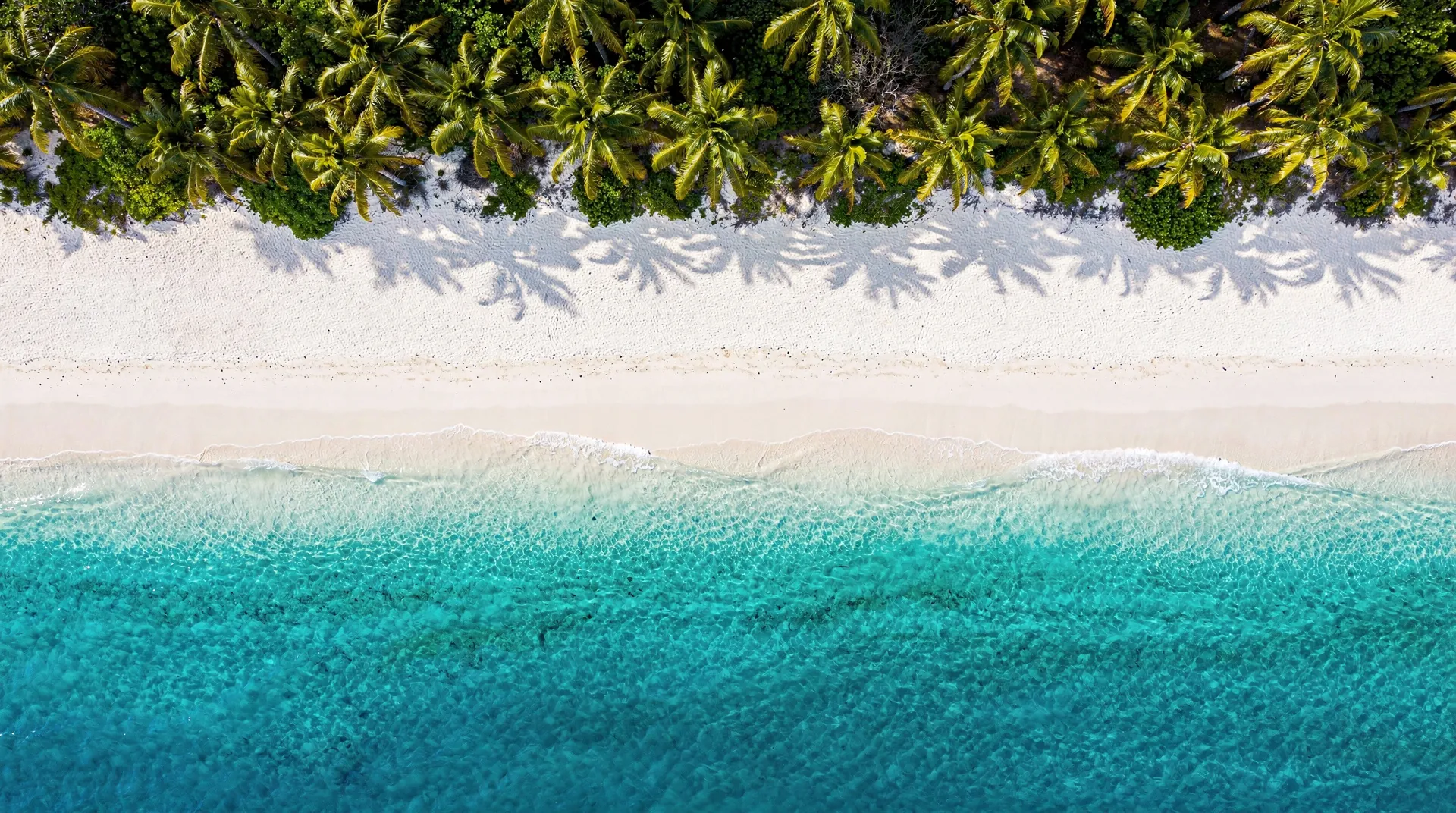
In the lagoon off the west coast of Mauritius, between Flic en Flac and the Le Morne peninsula, lies an island that few ordinary tourists know by name but many would love to discover: Ile aux Bénitiers. With its pristine white sand, its perfectly transparent turquoise waters and its end-of-the-world atmosphere, it’s one of the most exceptional marine destinations on the island of Mauritius.
Ile aux Bénitiers is a small private island about 1 km long, accessible only by boat from the western lagoon. It takes its name from the giant clams (Tridacna gigas) — “bénitiers” in French — that once filled its waters; these giant bivalve molluscs, now protected, are still found in the surrounding lagoon.
What makes Ile aux Bénitiers particularly special is the unique combination it offers: beaches of absolute beauty, first-rate snorkeling in a pristine lagoon, the chance to see dolphins in the surrounding waters, and above all its proximity to Crystal Rock — the rock formation emerging from the turquoise water that is one of the most spectacular images on the whole island of Mauritius.
At a glance
| Where | West coast, between Flic en Flac and Le Morne, opposite La Gaulette |
| Price | A simple speedboat crossing from La Gaulette costs about 500 to 800 rupees return; a full-day catamaran excursion costs about 2,500 to 4,500 rupees per adult |
| Time needed | Half a day for a simple boat trip, a full day for a catamaran excursion |
| Getting there | Boat or catamaran only, no direct access on foot; a car is recommended to reach the jetty — see our guide to car rental in Mauritius |
| Best time | Year-round, with a clear advantage from May to December (calmer sea, better visibility) |
Crystal Rock: the emblem of the west coast
Crystal Rock is a rocky islet that emerges from the turquoise waters of the west coast lagoon, halfway between Ile aux Bénitiers and the coast. This isolated rock, whose colour contrasts beautifully with the deep blue of the surrounding lagoon, has become the emblematic image of the west coast of Mauritius.
Excursions to Ile aux Bénitiers systematically stop at Crystal Rock for snorkeling and photos. The rock is surrounded by shallow, crystal-clear waters teeming with coral and tropical fish. It’s one of the best snorkeling spots on the entire west coast.
How to get to Ile aux Bénitiers
Catamaran excursion
This is the most comfortable and complete way to discover Ile aux Bénitiers. Catamarans leave daily from La Gaulette (near Le Morne) or from various points along the west coast. These excursions usually last a full day and include:
Sailing by catamaran through the western lagoon, a stop at Crystal Rock for snorkeling, free time on Ile aux Bénitiers, watching (and often swimming with) dolphins, a buffet lunch on board or on the island, and a return in the late afternoon.
A catamaran excursion to Ile aux Bénitiers with dolphin watching is one of the most complete and memorable activities you can do from the west coast of Mauritius. Book ahead, as these trips are very popular.
Boat from La Gaulette
Simpler boats (speedboats) make the crossing from La Gaulette, the village closest to Ile aux Bénitiers. This option is faster and cheaper than a full catamaran excursion, but without the included services.
Parking
To reach the jetties at La Gaulette or the excursion departure points, a car is necessary. Car parks exist at the boarding points. Our guide to car rental in Mauritius will help you organise your logistics.
The beach at Ile aux Bénitiers
A paradise setting
The main beach on Ile aux Bénitiers is stunningly beautiful. Very fine, very clean white sand, shallow turquoise waters all around, and an almost total absence of buildings create an absolute tropical paradise landscape.
The beach is small — the whole island is only 1 km long — but it’s of exceptional quality. The waters are calm, warm and crystal clear. The depth increases gradually from the shore, with a large, safe swimming area.
Swimming
Swimming is excellent and safe. The lagoon surrounding the island is protected and offers remarkably calm water even when the wind picks up along the coast. Underwater visibility is often 10 to 15 metres — among the best on the island.
The water is slightly cooler than on some beaches in the north (23–26°C during the austral winter) but remains very pleasant for swimming.
Snorkeling at Ile aux Bénitiers and Crystal Rock
Snorkeling is the absolute highlight of this site. The waters around Ile aux Bénitiers and Crystal Rock are home to exceptional marine life in excellent condition: healthy hard and soft corals, abundant tropical fish, giant clams (the real ones, accessible to divers), green turtles (frequent sightings), stingrays and harmless reef sharks.
Crystal Rock is particularly interesting for snorkeling, as the coral growing on and around the rock is in excellent condition. The diversity of species is remarkable.
Catamaran excursions generally provide snorkeling equipment (mask, snorkel, fins). If you’re travelling under your own steam, bring your own gear or rent it in Flic en Flac or La Gaulette.
Our guide to snorkeling and diving in Mauritius compares Ile aux Bénitiers with the island’s other spots.
The dolphins of the west coast
Ile aux Bénitiers is one of the best places to watch and interact with the west coast’s spinner dolphins. Excursions pass through the areas where the dolphins are regularly present in the morning, allowing you to swim alongside them in an exceptional natural setting.
Spinner dolphins (Stenella longirostris) are social animals that live in family groups. They rest in the shallow waters of the lagoon during the day and feed offshore at night. Approaching them respectfully and keeping an appropriate distance is essential for an ethical encounter.
Our complete guide to swimming with dolphins in Mauritius explains how to make the most of this experience.
Shade and environment
Ile aux Bénitiers is planted with casuarinas and palm trees that offer partial shade on the beach. The shade isn’t as dense as on the large beaches in the north, but it’s enough for a break out of the sun.
The overall environment is preserved and lightly developed — a few light structures to host excursion groups, but no permanent heavy construction. The island has kept its natural character.
Facilities and services
Ile aux Bénitiers isn’t a “full” tourist site with permanent restaurants and shops. The services available depend on the excursion you choose:
Catamaran excursions generally include a buffet lunch (seafood, Mauritian cuisine, fresh fruit), drinks and snorkeling gear. It’s a complete service.
If you arrive by a simple boat, you’ll need to bring your own provisions for the day. There are no permanent vendors or restaurants on the island.
Visitor numbers and atmosphere
Ile aux Bénitiers is noticeably less busy than Ile aux Cerfs. Excursion groups arrive at different times of day, but the island’s size and the fact that access is limited to organised excursions keep visitor numbers reasonable.
The atmosphere is calm and unspoiled — this is genuinely a wild, little-transformed place. It’s a more intimate experience than Ile aux Cerfs and is generally appreciated by travellers looking for something authentic.
Who Ile aux Bénitiers is for
Snorkeling enthusiasts: This is one of the best snorkeling destinations on the entire west coast, with Crystal Rock as a bonus. A must for enthusiasts.
Dolphin lovers: The excursion combining Ile aux Bénitiers with dolphins is one of the best ways to encounter wild dolphins in pristine waters.
Couples looking for a paradise setting: The beauty of the island, its relative isolation and its unspoiled atmosphere create a natural romantic setting.
Travellers exploring the west coast: Ile aux Bénitiers is the essential boat excursion from Flic en Flac, Tamarin or Le Morne.
Where to stay nearby
There’s no accommodation on Ile aux Bénitiers itself. To stay near the departure point for excursions:
Flic en Flac is the most convenient base, with numerous hotels and guesthouses. Our guide to where to stay in Flic en Flac covers all the options.
The Le Morne peninsula has several luxury hotels close to La Gaulette. Our general guide to where to stay in Mauritius covers the whole west coast.
Nearby activities
Swimming with dolphins from Tamarin
15 km to the north, Tamarin is the main departure point for dolphin excursions. A dolphin swimming excursion from Tamarin is an ideal complement to a visit to Ile aux Bénitiers.
Flic en Flac and its restaurants
20 km to the north, Flic en Flac offers the best selection of restaurants on the west coast, particularly for sunset dining.
Le Morne and kitesurfing
A few kilometres south of La Gaulette, the Le Morne peninsula is Mauritius’s premier kitesurfing spot and offers a spectacular landscape.
Chamarel
30 km inland from La Gaulette, Chamarel with its coloured earths, waterfall and artisanal rum distillery makes for an excellent land excursion.
Practical tips
Book in advance: Catamaran excursions to Ile aux Bénitiers are in high demand, especially in high season. Book your Ile aux Bénitiers catamaran excursion at least 3 to 5 days in advance.
Leave early: Excursions that depart earliest have the best chances of encountering dolphins (mainly present in the morning) and snorkeling in the best visibility conditions.
Reef-safe sunscreen: A must at this pristine site. Use a mineral sunscreen free of chemical filters harmful to coral.
Seasickness: If you’re prone to seasickness, take a preventive medication the evening before or on the morning of departure. The catamaran crossing can get a little rough in strong wind.
Waterproof camera: Bring a waterproof camera or a waterproof case for your smartphone. The moments in the water with the dolphins and coral are worth capturing.
Ile aux Bénitiers or Ile aux Cerfs: which island to choose?
Mauritius’s two flagship boat excursions don’t offer the same experience. Here’s an honest comparison to help you decide, or to consider doing both if your trip allows.
| Criteria | Ile aux Bénitiers (west) | Ile aux Cerfs (east) |
|---|---|---|
| Atmosphere | Wild, unspoiled, few facilities | Developed, lively, restaurants and watersports |
| Snorkeling | Excellent, especially at Crystal Rock | Good, best at the north and east ends |
| Dolphins | Often included in the excursion | Rare, not a dolphin spot |
| Visitor numbers | Moderate, access limited to excursions | High, one of the island’s most visited spots |
| Best for | Snorkeling and dolphins, intimate atmosphere | Families, a full day of varied activities |
For a deeper comparison, our guide to the east vs. west comparison details the differences between the island’s two coasts, and our dedicated page on Ile aux Cerfs presents the east coast alternative.
Budget for a day at Ile aux Bénitiers
The cost of a trip to Ile aux Bénitiers depends largely on which option you choose. Expect to pay around 500 to 800 rupees per person for a simple speedboat crossing from La Gaulette, without meals or equipment included. For a full-day catamaran excursion with lunch, guided snorkeling and a dolphin stop, budget rather 2,500 to 4,500 rupees per adult, with children’s rates generally reduced. Add the cost of parking (around a hundred rupees) and any drinks or souvenirs. Our guide to budgeting for Mauritius helps you place this cost within your overall trip budget.
Ile aux Bénitiers FAQ
What’s the difference between Ile aux Bénitiers and Ile aux Cerfs? Both are paradise islands accessible by boat, but they have different characters. Ile aux Cerfs is bigger, more developed and more visited. Ile aux Bénitiers is smaller, wilder and less touristy. Ile aux Cerfs is on the east side, Ile aux Bénitiers on the west. Excursions to Ile aux Bénitiers often include dolphins and Crystal Rock.
Can you swim with giant clams at Ile aux Bénitiers? Giant clams still exist in the lagoon, but they’re protected. You shouldn’t touch them. Divers can observe them on scuba dives in the deeper areas. On a surface snorkel, you may spot some in the shallower zones.
Is the excursion suitable for children? Yes, catamaran excursions to Ile aux Bénitiers are suitable for families with children. The catamaran is stable and comfortable. Snorkeling in the calm waters is accessible from around 6-7 years old with a life jacket.
Can you get to Ile aux Bénitiers on your own, without an excursion? Technically yes, by hiring a boat from La Gaulette. But an organised catamaran excursion is far more practical — it includes transport, lunch, snorkeling gear and knowledge of the best spots.
Are dolphins guaranteed on the excursions? There’s no guarantee in the wild. However, the encounter rate is high (80-90% of trips) since spinner dolphins are permanent residents of the west coast. Most operators offer a partial refund or another trip if the dolphins don’t show up.
How much time do you spend on the island itself? On a typical catamaran excursion, expect roughly 2 to 3 hours of free time on the beach at Ile aux Bénitiers, on top of the snorkeling stops at Crystal Rock and the search for dolphins. A simple crossing from La Gaulette gives you more flexibility but requires you to organise your own return.
Is it better to book a catamaran excursion or organise your own trip? For families or travellers without local boating experience, an organised catamaran excursion remains the safest and most complete choice: it includes transport, guidance, meals and equipment. A simple boat from La Gaulette suits small, self-sufficient groups looking for a shorter, cheaper trip.
Giant clams: the island’s story
Ile aux Bénitiers takes its name from the giant clams (Tridacna gigas) that once filled its waters in abundance. These bivalve molluscs — the largest in the world, able to reach 1.2 metres in length and weigh up to 200 kg — lived in the shallow lagoon around the island, their shells open toward the light to allow their symbiotic algae to photosynthesise.
Overexploitation of giant clams for their meat (a sought-after delicacy) and their shells (used as holy water fonts in Catholic churches — hence the French name “bénitier”) dramatically reduced their populations across the Indian Ocean during the 20th century. At Ile aux Bénitiers, their numbers have fallen drastically, but a few individuals still survive in the deeper parts of the lagoon.
Giant clam reintroduction programmes are underway in Mauritius, with marine nurseries where young specimens are raised before being released back into the wild. These conservation efforts aim to re-establish viable populations in Mauritian lagoons. On a scuba dive in the area, clams can sometimes be observed — their colourful mantle (blue, green, purple, brown) is one of the most fascinating sights on the tropical seabed.
Crystal Rock: the west coast’s photographic icon
Crystal Rock has become, in just a few years, one of the most shared images of Mauritius on social media. This small rocky islet, emerging from the shallow, turquoise waters of the western lagoon, with the silhouette of Le Morne Brabant in the background on a clear day, forms an image of almost unreal beauty.
Photographing Crystal Rock from the surface of the water (with a waterproof camera or from a kayak) produces spectacular images. Aerial photographers with access to a drone can capture the geological formation in all its splendour from the sky. Aerial shots also reveal the extraordinary gradients of colour in the lagoon around the rock — from emerald turquoise to deep azure within a few metres.
Snorkeling around Crystal Rock is remarkable, as the rock acts as an artificial reef that has allowed healthy coral and a dense fish community to develop. Damselfish, butterflyfish and surgeonfish are especially plentiful in the waters directly around the rock.
Planning your ideal catamaran excursion
A catamaran excursion to Ile aux Bénitiers and the dolphins should be planned a few days ahead for the best spots on board. Here’s what you can expect:
An early morning departure (7am-8am) from La Gaulette or another west coast boarding point. Sailing by catamaran across the calm lagoon — the morning winds can be light, making for a gentle sail. Arrival in the area where dolphins are typically present (20-30 minutes of sailing). Getting in the water to swim with the dolphins if they’re present and receptive. Sailing on to Crystal Rock for a snorkeling stop (30-45 minutes). Arrival at Ile aux Bénitiers — free time on the beach and snorkeling in the lagoon (2-3 hours). A buffet lunch on board the catamaran or on the island, depending on the operator. The return sail, with the option of sunbathing on the catamaran’s trampoline net.
For families with children, this full package is ideal for filling an entire day with varied and memorable activities. Our guide to family activities in Mauritius can help you round out your trip itinerary.
The west coast of Mauritius: an exceptional marine ecosystem
The west coast of Mauritius, home to Ile aux Bénitiers, benefits from a marine setup that’s particularly favourable to marine life. The west coast lagoon is one of the island’s largest, with variable depths that create a diversity of habitats: shallow sandy areas, coral reefs, seagrass beds and deeper zones beyond the coral barrier.
This diversity of habitats supports extraordinary marine biodiversity. The seagrass beds that cover parts of the lagoon are essential nurseries for many fish species. Dugongs (Indian Ocean sea cows) feed on these seagrass beds — rare but documented sightings have occurred in the western lagoon of Mauritius.
The regular, large-scale presence of spinner dolphins in the western lagoon is no accident. These dolphins find ideal conditions here: shallow waters to rest safely during the day, abundant fish to hunt at night, and relative tranquillity (compared with other parts of the Mauritian coastline). Preserving this ecosystem is directly linked to the long-term viability of the dolphin tourism that this coast is known for. To learn everything about the west coast’s dolphins, our guide to swimming with dolphins in Mauritius is essential reading.