
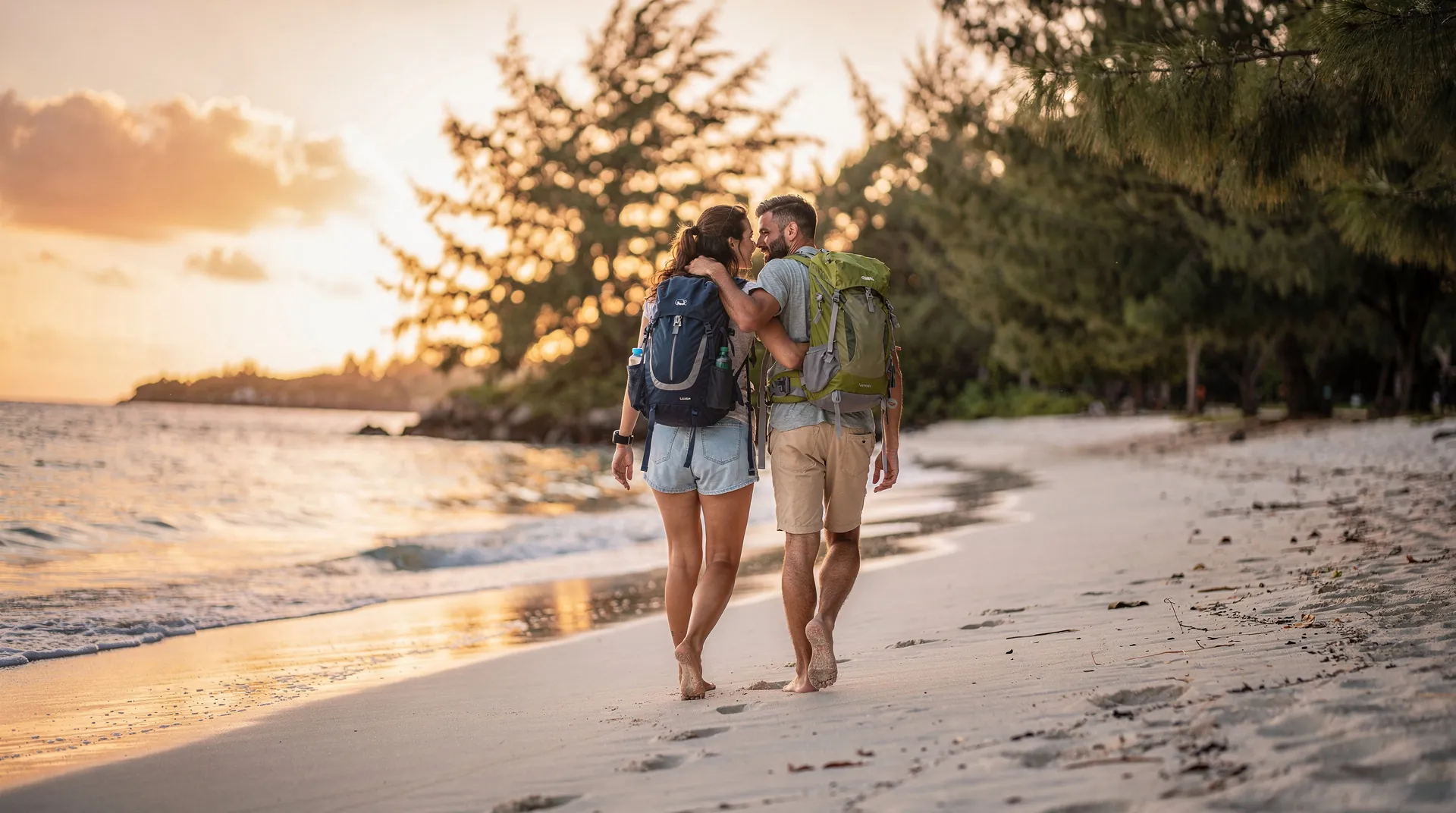
5-Day Mauritius Itinerary: Making the Most of a Short Trip
Updated: August 2026
5 Days in Mauritius: Making the Most of a Short Trip
Five days in Mauritius is short — but with good planning, it’s more than enough to experience unforgettable moments. This itinerary picks the absolute must-dos, the ones that best capture the richness of the island: dream beaches, colorful mountains, Creole flavors and genuine encounters.
The key to a successful short trip is not overloading the schedule. Resist the temptation to see everything. It’s better to live five intense experiences fully than to rush through twenty photo stops in marathon mode. This itinerary offers a comfortable pace, with enough free time to sit by the water and truly appreciate where you are.
Renting a car is strongly recommended for this itinerary. It gives you total freedom and lets you reach places public transport doesn’t cover. Expect to pay between 30 and 50 euros a day for a mid-size car, with driving on the left. If you’d rather avoid driving, check our alternatives for exploring the island by public transport and organized tours.
At a Glance
| Duration | 5 days, 4-5 nights on the ground |
| Recommended base | A single area (north recommended) to cut down on travel |
| Estimated budget (2 people, excluding flights) | Around 765 to 1,235 euros |
| Car needed | Yes, strongly recommended |
| Best time to go | May to December, avoiding the January-February lull |
| Pace | Fast but realistic: 1 major area per day |
Is 5 Days Enough, or Should You Stay Longer?
Five days is enough for a solid taste of Mauritius if you’re willing to make choices. This itinerary covers the north, the wild south, the east coast and a bit of nature — but it inevitably leaves out some regions, particularly the coast beyond Ile aux Cerfs and much of the center. If your schedule allows it, the 7-day itinerary offers a better balance between discovery and downtime, with an extra day in Port-Louis and less rushed travel. For an even more relaxed trip, the 10-day itinerary lets you add half-days of rest between visits.
On the other hand, if you really only have 3 days, our 3-day itinerary narrows the program down to the absolute essentials. : essential logistics
Before diving into the day-by-day program, here are a few essential practical points for a successful short trip.
Recommended base: For a 5-day trip, settle into a single region rather than switching hotels every night. Grand Baie is ideal for a first visit: lively restaurants, varied activities and easy access to the whole island. Our guide to where to stay in Mauritius helps you find the best accommodation for your budget. The west, around Flic en Flac, offers superb sunsets if you prefer a more relaxed atmosphere.
Time difference: Mauritius runs on UTC+4. From France, the time difference is +2h in summer and +3h in winter. Jet lag is minimal, so you’ll be ready to go from the very first morning.
Estimated daily budget: Between 80 and 150 euros per person depending on your travel style (excluding accommodation), covering meals, activities and fuel. For a complete picture of the costs to expect, check our Mauritius budget guide.
Weather: Before you leave, check the weather in Mauritius for your travel dates — it directly affects which activities you’ll be able to do.
Airport transfer: The airport is in the southeast of the island. Arrange your airport transfer in advance to save time on arrival. The private airport-hotel transfer is the ideal solution for starting a short trip without stress or waiting around.
Day 1: Arrival and Settling In, in the North
Morning — Getting Settled
Depending on your arrival time, the first half-day is dedicated to settling in. Sir Seewoosagur Ramgoolam Airport is located in the southeast of the island. If you’ve booked a car, pick it up right after arrival (the rental agencies are in the arrivals hall). The drive north takes roughly 45 minutes to 1 hour depending on traffic.
After checking in, don’t rush. Take a short walk to acclimatize to the tropical heat and humidity. Explore the immediate surroundings of your accommodation on foot. Mauritians are known for their warm welcome — let yourself be carried along by this first immersion.
Afternoon — Trou aux Biches Beach
Trou aux Biches is one of the most beautiful beaches in the north: shallow turquoise water, fine white sand, coconut palms. It’s the perfect spot for your first swim in Mauritius. The sea is calm, and the lagoon is protected by the coral reef. The beach is particularly well suited to children and beginner swimmers thanks to its shallow depths.
Rent a sun lounger if you want comfort, or simply lay your towel on the public beach. Vendors will offer fresh fruit, coconuts and necklaces — polite haggling is fine. If you’re keen to explore the underwater world right from the start of your trip, a few snorkeling spots are accessible directly from the beach.
Evening — Grand Baie, the Heart of the North
Grand Baie is the lively hub of the Mauritian north. The main street (Royal Road) is lined with restaurants, shops, craft markets and bars. This is where you’ll find the best spots for a first Creole dinner. The evening atmosphere is relaxed, blending tourists and locals in a friendly setting.
Order a dholl puri (split pea flatbread), brèdes (sautéed greens) or Mauritian-style grilled fish. The food of Mauritius is a journey in itself — a mix of Indian, Chinese, Creole and French influences on every plate. Seaside restaurants offer terrace tables with views over the illuminated lagoon.
Day 2: The Wild South — Chamarel and Le Morne
Morning — Land of Seven Colours and Chamarel
Head out early (8am recommended) to make the most of the south before the midday heat sets in. The road crosses the center of the island and its sugar cane fields, offering a classic Mauritian landscape. First stop: the Seven Coloured Earths of Chamarel.
This unique natural site features dunes of volcanic earth in shades ranging from brick red to purple to ochre yellow. The geological phenomenon, still not fully explained, fascinates visitors from around the world. Arrive early to avoid the crowds — before 10am, you’ll enjoy the site in relative peace. Admission includes a visit to the Chamarel coffee plantation, where you can sample the famous local arabica coffee.
To dig deeper into Chamarel and its colored earth, our dedicated guide covers all the site’s secrets. If you’d rather not drive, the guided tour of Chamarel with the coloured earths and waterfall includes transport from your hotel.
Lunch Break — Chamarel Village
The village of Chamarel offers several dining options with panoramic views over the southwestern mountains. La Table de Chamarel is known for its gourmet Creole cuisine with a spectacular view, but there are also simpler and more affordable options in the village. Try palm hearts in a salad, a regional specialty. From the restaurant terraces, the view down over the Le Morne peninsula is striking.
Afternoon — Le Morne Brabant
Head to Le Morne Brabant, a UNESCO World Heritage peninsula. The table mountain rising at the tip of the peninsula carries a heavy history: in the 19th century, escaped slaves took refuge there. Le Morne’s beach is stunning, with views of the mountain and access to one of the most renowned kitesurfing spots in the world.
If you enjoy thrills, this is where you’ll watch kitesurfers and windsurfers glide through perfect conditions. The steady trade winds create ideal conditions year-round. The “underwater waterfall” (a visual effect created by sand sliding off the edge of the reef plateau) is visible from the air — some helicopter or microlight tours offer this flyover.
Le Morne’s lagoon is also home to remarkable marine life. Snorkeling trips in this area let you spot leopard rays, turtles and parrotfish in remarkably clear water.
Evening — Return via the West Coast
Head back up the west coast along the scenic route to catch the sunset from Flic en Flac or La Preneuse. The sea in the west is often calmer at the end of the day, and the sunsets there rank among the most spectacular on the island — the sky turns orange, pink and purple over the water. Dinner at one of the many seaside restaurants in Flic en Flac.
Day 3: Ile aux Cerfs and the East Coast
Morning — Trou d’Eau Douce and the Crossing
Head to the east coast, towards Trou d’Eau Douce. This charming fishing village is the departure point for boats to Ile aux Cerfs. Regular shuttles leave roughly every 30 minutes (a 5 to 10 minute crossing, around 600 rupees round trip).
Ile aux Cerfs is Mauritius’s most visited tourist site. Its immaculate white sand beaches and turquoise waters fully live up to their reputation. For a full day including the crossing and a seafood lunch on board, the catamaran excursion to Ile aux Cerfs with lunch is the most complete option.
Settle in as soon as you arrive to enjoy the space before the crowds show up around 10-11am. The island has several beaches with different exposures — explore them to find the one that suits you best.
Activities on the Island
Plenty of water activities are available on-site: waterskiing, parasailing, paddleboarding, snorkeling. If you don’t do any water sports, simply enjoy swimming and strolling along the island’s different beaches — they vary in exposure and atmosphere.
For a complete experience of the east coast and its marine wonders, our snorkeling and diving guide points you to the best spots. Lunch on the island is available at the restaurants (expect a higher budget than off-island). Alternatively, take the boat back around 1pm and have lunch in Trou d’Eau Douce with the fishermen for a more authentic vibe.
Afternoon — Mahebourg Village
Mahebourg, on the southeast coast, is one of the island’s most authentic towns. Its Monday market is legendary — if you happen to be there on a Monday, don’t miss it. The rest of the week, the town remains lively with its small shops, waterfront and Historical Museum. Mahebourg’s market is a great place to buy local spices, tropical fruit and crafts at very reasonable prices.
The Mauritius History Museum in Mahebourg traces the island’s colonial history through objects recovered from the wreck of the Saint-Géran in 1744 (the inspiration for Bernardin de Saint-Pierre’s novel Paul et Virginie). The town also gives access to Blue Bay beach and its protected marine park, just 20 minutes away.
Evening — Return to the North
Head back to your accommodation via the M2 motorway (the fastest route, roughly 1h from Mahebourg to the north). The drive is pleasant in the late afternoon, when the golden light sweeps across the sugar cane fields.
Day 4: Nature, Culture and Local Market
Morning — Black River Gorges
Black River Gorges National Park is the largest protected natural area in Mauritius (68 km²). Several hiking trails are accessible, from the shortest (1h round trip) to the longest (a full day). For this short trip, choose the trail leading to the gorge viewpoint: an exceptional panorama over Mauritius’s primary forest awaits after a 45-minute walk.
The wildlife is remarkable: the Mauritius kestrel (saved from extinction), green parakeets, endemic pink pigeons and numerous plant species found nowhere else on Earth. Bring binoculars if you have them. The park is a great opportunity to observe species you won’t see anywhere else in the world.
Lunch — Local Cuisine
A few kilometers from the park, the village of Case Noyale offers small family-run restaurants serving simple, generous, authentic food. “Mine frites” (stir-fried noodles with vegetables and meat) and rotis are must-tries. Here you’re in the Mauritius of everyday locals, far from the tourist trail.
Afternoon — Choose Your Activity
Depending on your mood and energy, several options are available:
Relaxation option: Head back to the beach for one last afternoon of lounging. Flic en Flac or Trou aux Biches are ideal for a well-deserved beach break.
Culture option: Visit the central market of Port-Louis if you haven’t already. The Mauritian capital deserves at least half a day: its colorful markets, the Place d’Armes, the Caudan Waterfront and the various Hindu temples, mosques and churches standing just streets apart from one another reflect the island’s exceptional cultural diversity. Our guide to markets and culture gives you everything you need to make the most of this visit.
Adventure option: Catamaran trips for an afternoon at sea from Grand Baie. Several operators offer 3-4 hour outings in the late afternoon with snorkeling, dolphin watching and a sunset at sea.
Evening — Specialty Dinner
For your second-to-last evening, treat yourself to a meal at a restaurant specializing in Mauritian dishes. Try vindaye de poisson (fish marinated in turmeric and mustard), carri de chevrettes (freshwater shrimp curry) or rougaille with Creole sausages. These iconic dishes from Mauritian cuisine tell the island’s blended culinary history better than any guidebook.
Day 5: Final Impressions and Departure
Morning — Depending on Your Flight Time
If your flight is in the evening, you’ll have the whole morning free. A few suggestions depending on your mood:
Port-Louis in the morning: The central market comes to life from 6am. It’s the ideal time to watch locals doing their shopping, sample local snacks and buy spices to bring home (turmeric, cinnamon, chili…). The market atmosphere at daybreak is one of the most authentic experiences the island can offer.
One last swim: Enjoy one last hour at the beach, just you and the sea, before packing up your towels. Early in the morning, the beaches of Grand Baie or Trou aux Biches are still quiet.
Quick trip to Blue Bay: If you haven’t yet visited this marine park, ranked among the finest in the Indian Ocean, a morning at Blue Bay is an unforgettable snorkeling experience even for just a few hours.
Last-minute shopping: Mauritian crafts are well worth exploring. The Caudan Waterfront shopping center in Port-Louis has the best shops for spiced rum, model wooden boats and local textiles.
Tips for the Return Journey
Mauritius’s airport is relatively small but efficient. Plan to arrive 2h30 to 3 hours before departure for international flights. The drive from Grand Baie takes about 1 hour depending on traffic — allow extra time during peak hours. If you haven’t already arranged your transfer to the airport, book it as soon as you arrive to avoid any stress on departure day.
Overview: The 5 Days at a Glance
| Day | Area | Highlights |
|---|---|---|
| 1 | North | Settling in, Trou aux Biches beach, evening in Grand Baie |
| 2 | Southwest | Chamarel, Le Morne Brabant, return via Flic en Flac |
| 3 | East / southeast | Ile aux Cerfs, village of Mahebourg |
| 4 | Center / north | Black River Gorges, beach or Port-Louis, your choice |
| 5 | North / departure | Last swim, shopping, airport transfer |
Estimated Budget for 5 Days
Here’s a realistic estimate for two people in the “moderate” category:
- Accommodation (guesthouse or 3-star hotel): 60-100 euros/night, so 300-500 euros for 5 nights
- Car rental: 35-45 euros/day, so 175-225 euros
- Meals (lunch + dinner): 30-60 euros/day for two, so 150-300 euros total
- Activities (Ile aux Cerfs, national park, site admissions): 100-150 euros for two
- Fuel: around 40-60 euros for 5 days
- Total estimate: 765 to 1,235 euros for two, excluding flights
To go further in planning your budget, our Mauritius budget guide breaks down every expense category and offers tips for optimizing your trip to fit your means.
Recommended Accommodation for This Short Trip
For a 5-day trip, staying in the same area is essential to make the most of your time. Here are the best bases depending on your style:
Grand Baie and Trou aux Biches: Ideal for first-time travelers. Everything is within walking distance or a 30-minute drive. Restaurants, beaches, excursions — the logistics couldn’t be simpler. Our guide to where to stay as a couple or as a family will point you to the best places to stay.
Flic en Flac: Perfect for diving enthusiasts and sunset lovers. The beach is excellent, there are plenty of fresh fish restaurants, and access to the south (Chamarel, Le Morne) is direct.
For a wider range of prices and the most highly rated hotels in each area, check out our full guide to hotels in Mauritius.
Practical Tips for This Short Trip
Don’t overplan: Traffic jams around Port-Louis and in the north during peak hours (7-9am and 4-6pm) can easily cost you an hour. Factor this into your travel plans. Our guide to road tripping in Mauritius offers valuable tips for managing your journeys efficiently.
Stay hydrated: The tropical heat combined with active sightseeing means you’ll need to drink much more than you would in Europe. Always carry a water bottle. Fresh coconuts sold on the beaches are an excellent source of natural hydration.
Sunscreen: The sun at this latitude is much stronger than in mainland France. SPF 50+ is a must, even on cloudy days. Sunburn on day one can ruin the rest of your trip.
Mauritian rupee: Exchange money at the airport or at official banks. Hotel exchange rates are less favorable. 1 euro is worth roughly 47-50 Mauritian rupees — check the current rate before you leave.
Book activities in advance: For popular excursions like catamaran trips or dolphin swims, it’s best to book 24 to 48 hours ahead, especially during high season. Your hotel can help.
Want to extend your stay? Check out our 7-day itinerary for the full week version, or our 10-day itinerary for a deeper exploration of the island.