
Eastern region of Mauritius — Belle Mare, Trou d'Eau Douce and Ile aux Cerfs
The east coast of Mauritius plays a different tune from the buzz of the north or the dramatic scenery of the west. Here, it's all about serenity. Belle Mare and its two kilometres of immaculate white sand, Trou d'Eau Douce with its fishing-village charm, Roches-Noires and its golden sand dunes — the east is the coast of quiet luxury, wide open spaces and sheltered lagoons.
It's also the coast of the big hotels. Five-star resorts have naturally settled along Belle Mare, drawn by the exceptional quality of the beach and the absence of heavy commercial development. Some of the island's finest resorts are found here — with spas, golf courses and private beaches. But contrary to what you might think, Belle Mare beach is public and open to everyone, even where certain stretches sit alongside hotel properties.
Trou d'Eau Douce is the essential starting point for reaching Ile aux Cerfs, the small lagoon island just offshore that embodies everything you picture when you dream of a tropical island: turquoise water, white sand, palm trees. Shuttle boats leave the village every hour. The island also has a golf course and a waterpark on the hotel side, but the central beach remains free and pleasant even in high season.
On the wind front, that's the flip side of the east coast: the trade winds blow harder here between June and September. The sea can get choppy, and swimming is less pleasant on some days. On the plus side, the swell draws kiteboarding enthusiasts to the Flacq area. Outside the windy season, the east returns to ideal conditions — with noticeably more reasonable hotel rates.
The east is also a more rural region, which gives it a particular charm. Flacq, the main town in the centre-east, has a weekly market reputed to be one of the most authentic on the island. Villages follow one another along the coast road, with their colourful Hindu temples and market stalls. If you want to see another side of Mauritius, less touristy, this is where you'll find it.
Destinations de la région east
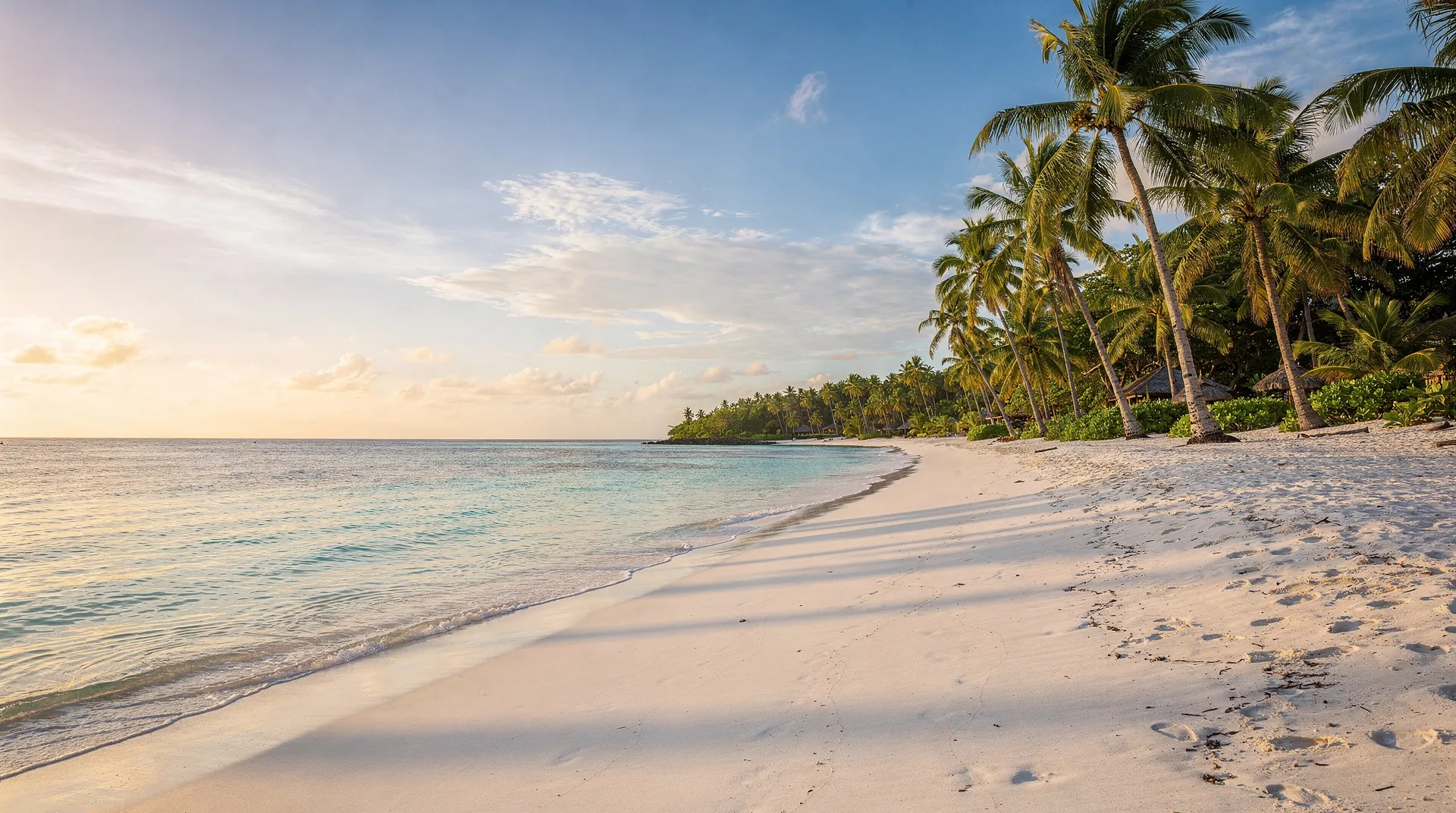
Belle Mare
Belle Mare, the finest beach on the east coast: pristine white sand, calm turquoise water and grand luxury hotels. Complete 2026 guide.
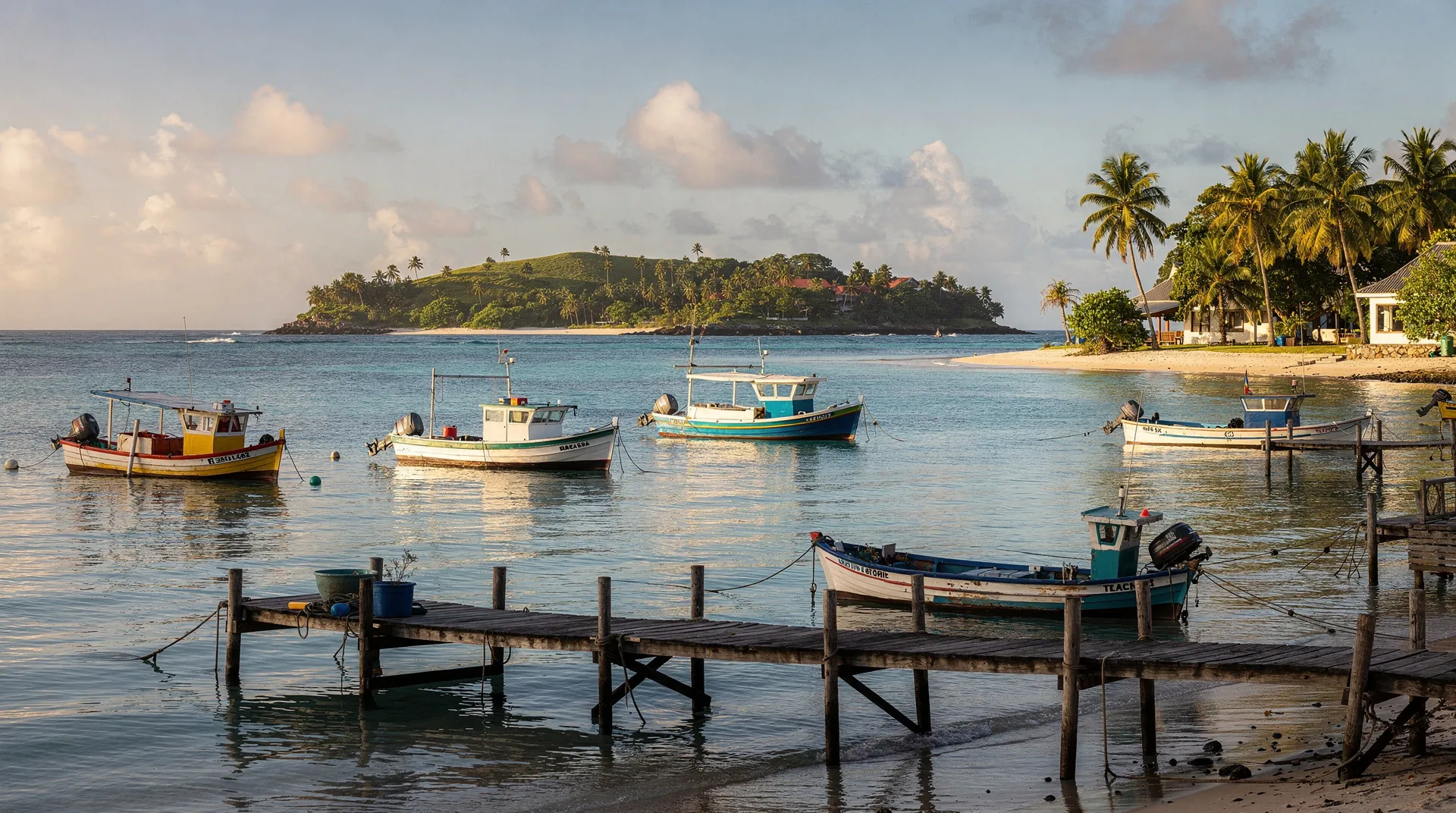
Trou d'Eau Douce
Trou d'Eau Douce, a peaceful east coast village: the departure point for Ile aux Cerfs, luxury resorts and a laid-back atmosphere. 2026 Guide.
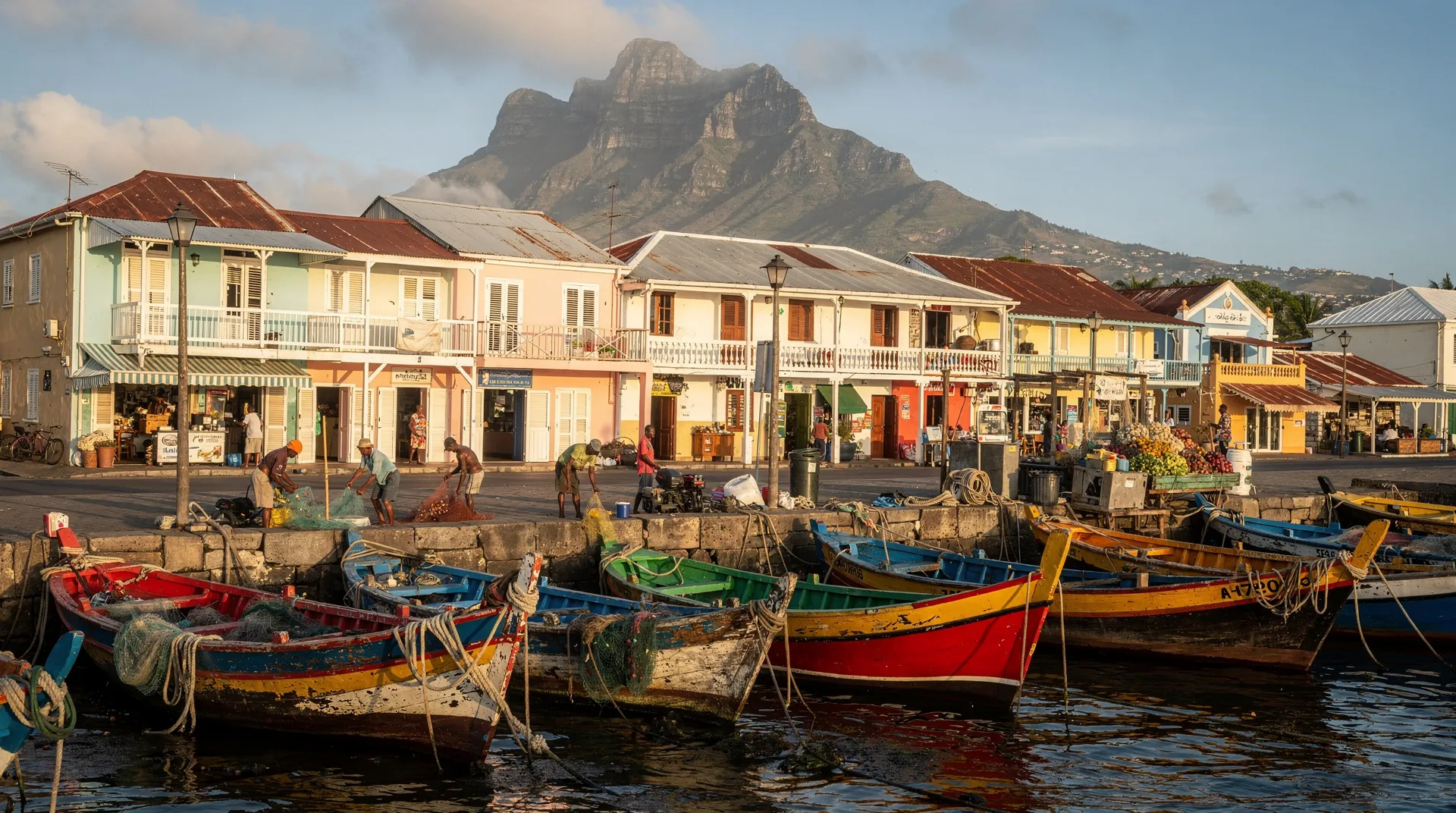
Flacq
Flacq: the east coast's capital with its unmissable Sunday market, unspoiled beaches, and authentic Mauritian life. Complete guide.
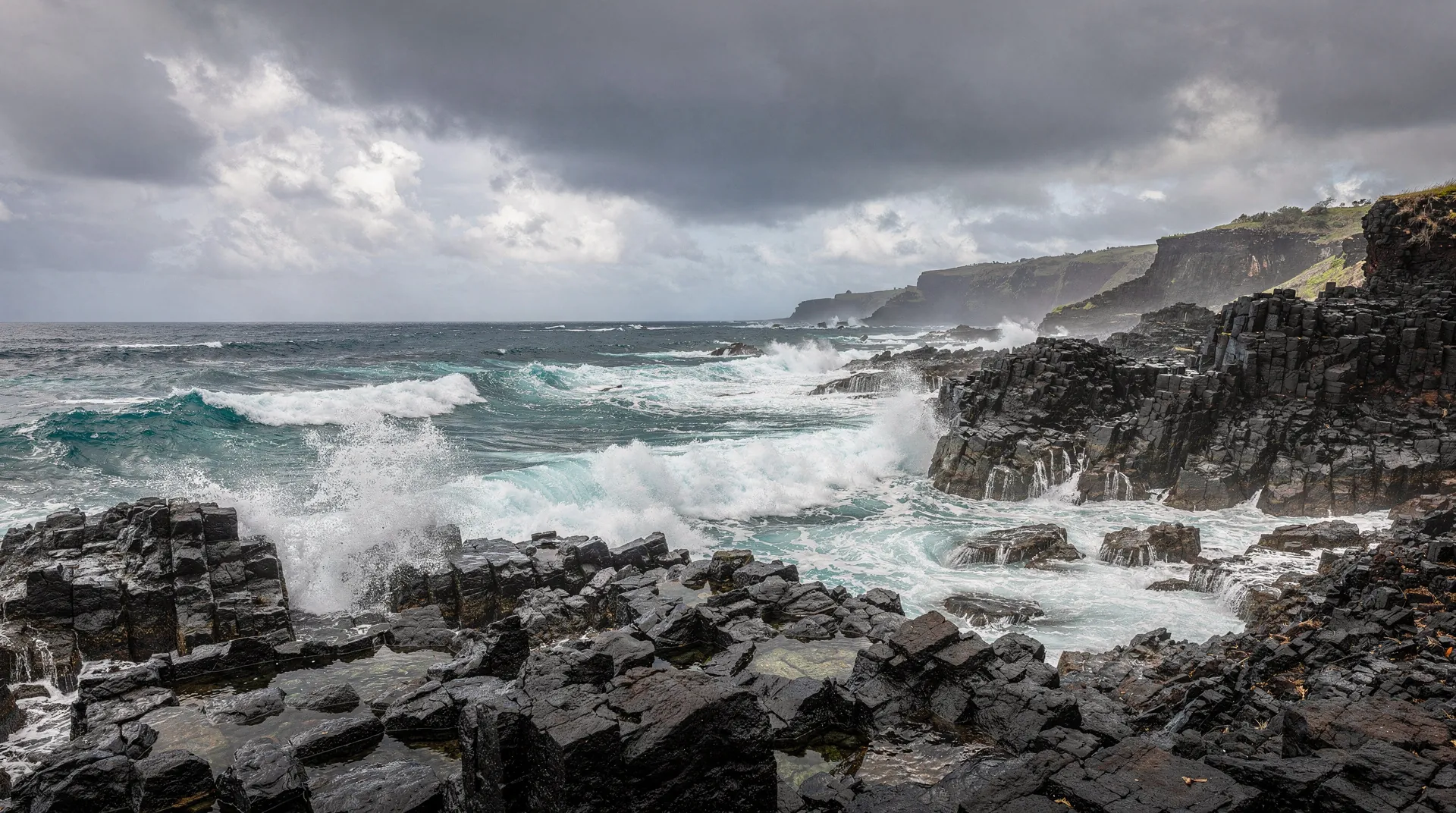
Roches Noires
Roches Noires, Mauritius east coast: spectacular basalt, surf waves, secluded beach and a wild atmosphere far from the resorts. 2026 guide.
Que faire dans la région east
Ile aux Cerfs is obviously the region's flagship attraction. You can reach it by shuttle boat from Trou d'Eau Douce for a laid-back beach day, or take an organised catamaran excursion that tours the coast with a snorkelling stop. The lagoon between Ile aux Cerfs and the mainland is perfect for swimming and windsurfing.
Golf is a serious pastime in the east. Several top-level courses are found in and around the large resorts — including the legendary Ile aux Cerfs course, laid out on the island itself with a constant view over the lagoon.
The beaches at Belle Mare and Flacq are ideal for long walks, often in perfect conditions. The seabed on the east side is less spectacular than at Blue Bay, but there are good snorkelling spots around the coastal rocks and in the quieter areas. Local operators offer kayaking and stand-up paddleboarding from Belle Mare.
For a cultural outing, the Flacq market (Wednesdays and Sundays) is one of the liveliest on the island — vegetables, spices, textiles, and an authentic local atmosphere far from the tourist areas. An hour's drive south takes you to Mahebourg and its history museum, or on to Blue Bay for snorkelling.
Réserver des activités dans la région
Toutes les activités ci-dessous sont sélectionnées parmi les offres vérifiées de GetYourGuide, avec avis voyageurs et annulation flexible.