Albion
Albion: historic lighthouse, dramatic cliffs, wild and local west coast of Mauritius. Guide to visiting this authentic village far from mass tourism.
- Area
- West coast
- Vibe
- Wild and authentic
- Specialty
- Colonial lighthouse and cliffs
- Access
- 20 min from Flic en Flac
Albion: the wild coastline Mauritius keeps secret
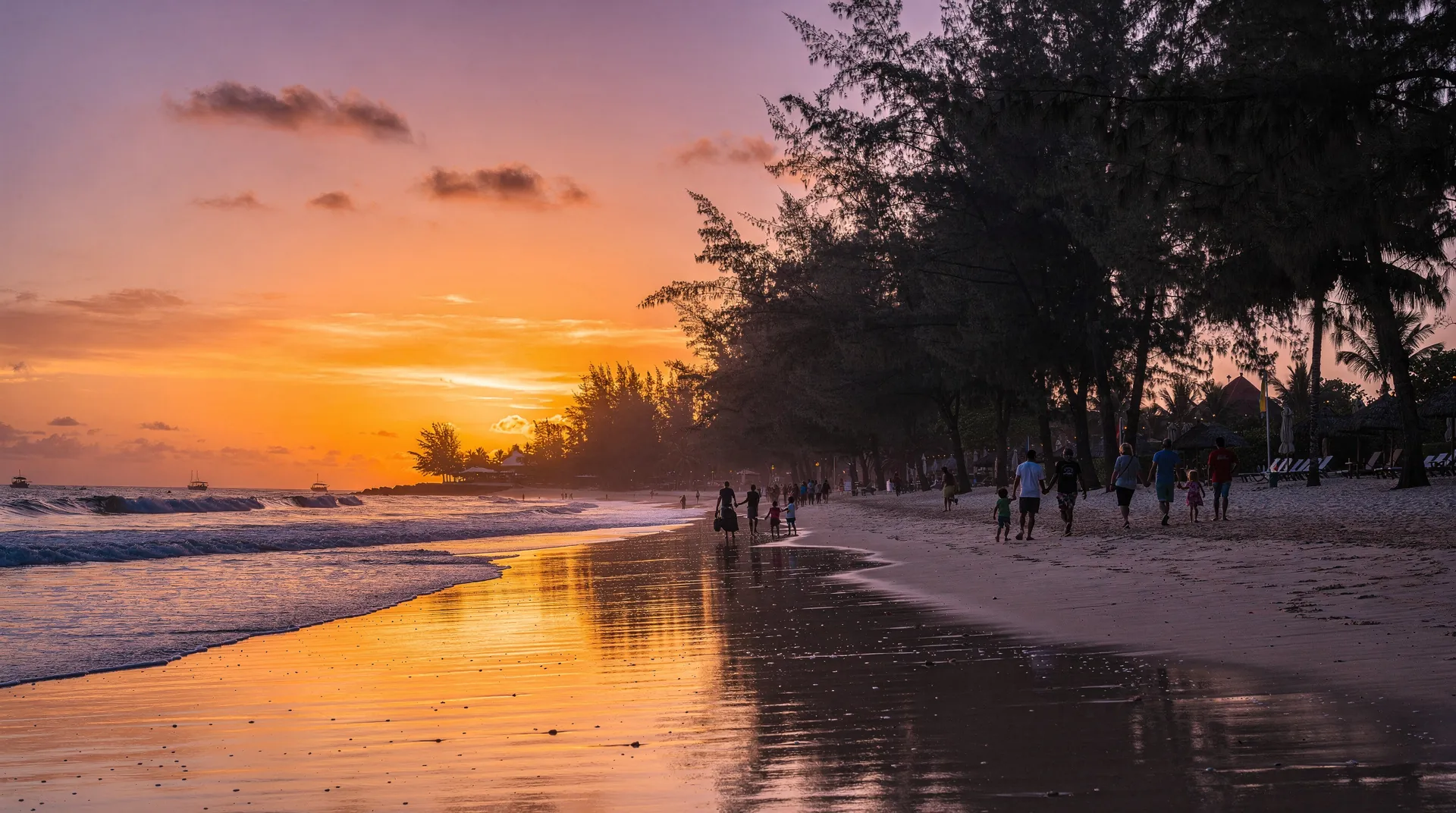
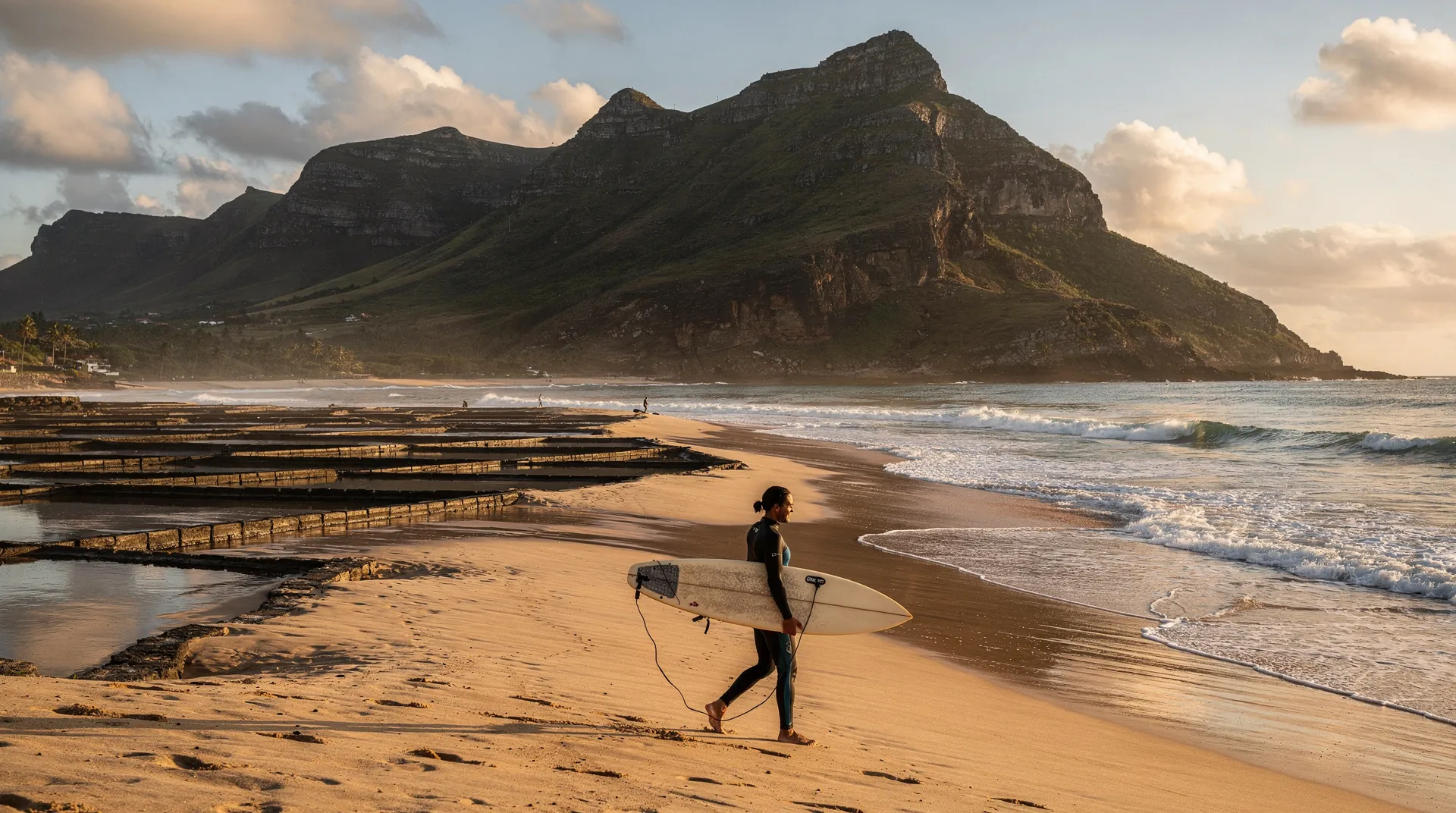
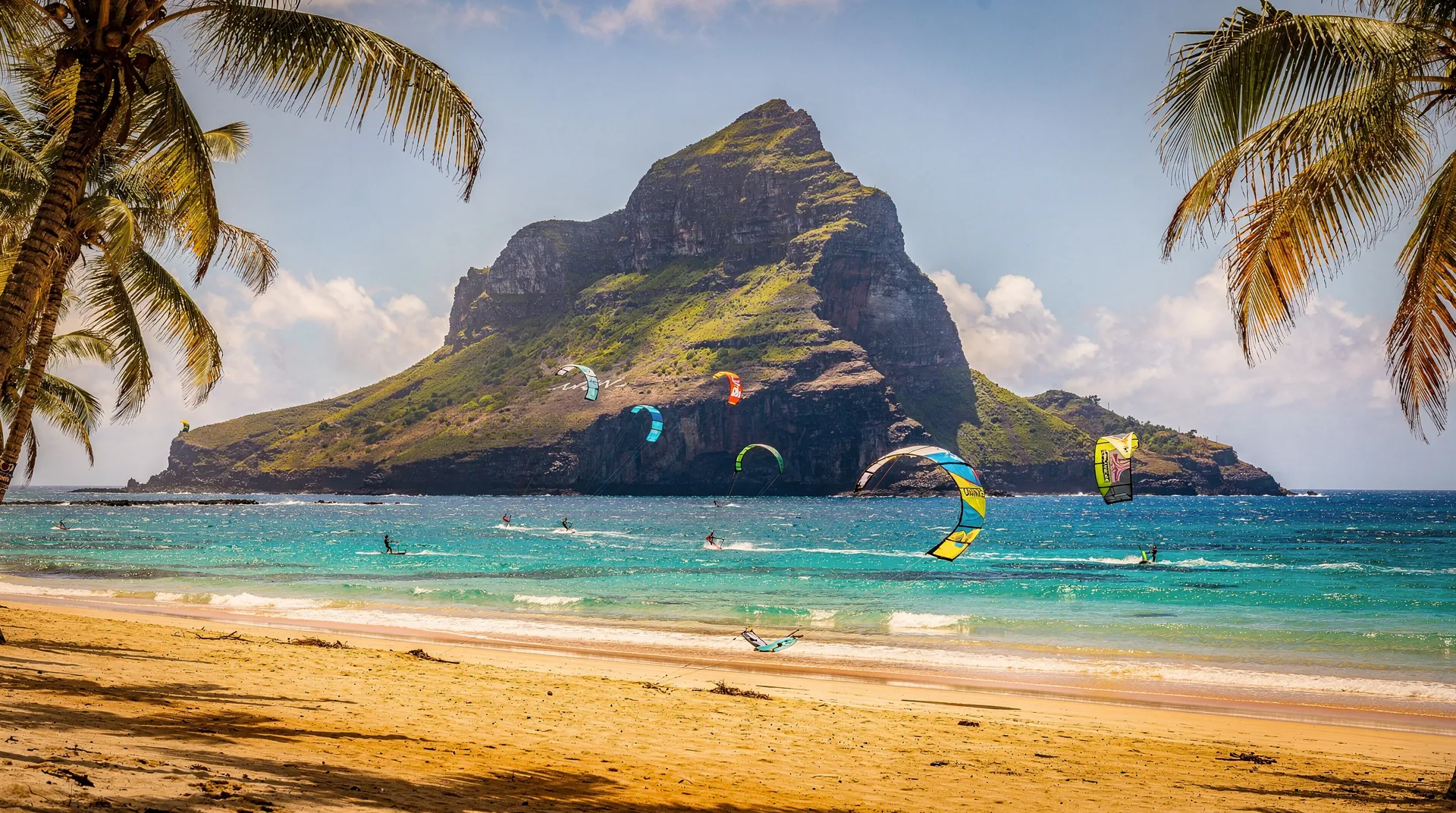
Albion appears in almost no standard tourist guide. This west coast village of Mauritius, wedged between the sea and a basalt plateau cracked by thousands of years of wind and waves, is the perfect antithesis of a manicured beach resort. Here there’s no big stretch of white sand, no rows of parasols, no cocktail vendors. Instead, black lava cliffs plunge into a restless turquoise ocean, a white lighthouse perches on the westernmost point of the coast, and fishermen launch their pirogues at the same hour their families have for generations.
Albion appeals to curious travelers, photographers chasing dramatic panoramas, divers seeking uncrowded reefs, and anyone who wants to see Mauritius differently. This isn’t a classic beach destination — it’s a destination for discovery, sensation, and Mauritian authenticity. A car is essential to reach Albion; our guide to car rental in Mauritius covers everything you need to get around the island.
The west coast that Albion belongs to is also home to Flic en Flac, the major beach resort just 20 minutes away, and Tamarin, the surf and dolphin village a bit further south. Both can be visited on the same day or from the same base.
At a glance
| Where | West coast, between Flic en Flac and Tamarin |
| Price | Free (lighthouse, cliffs, coastline); diving around 1,500–2,500 MUR per dive |
| Time needed | Half a day is enough, a full day with diving |
| Getting there | Car essential, no practical bus service |
| Best time | Year-round, calmer sea from May to November |
What to do in Albion
The Albion lighthouse
The Albion Lighthouse is the village’s most iconic attraction. Built in the late 19th century under British administration to mark a stretch of coast notorious for treacherous navigation, this white concrete lighthouse stands at the tip of a rocky peninsula with absolutely spectacular ocean views.
The path to the lighthouse crosses a plateau of fissured basalt rock, home to cacti and endemic euphorbias well adapted to the arid, windswept conditions of this exposed cape. The walk from the small parking area to the base of the lighthouse takes about ten minutes, but the views make every step worthwhile. On a clear day you can make out the outline of Flic en Flac and even the peaks of the Black River Gorges inland. On a rough day, waves crash against the cliffs with spectacular force, sending spray dozens of meters into the air.
The lighthouse itself isn’t generally open to visitors on a regular basis, but its silhouette against a blue sky or monsoon clouds makes an irresistible photographic subject. In the late afternoon, raking light gilds the black rock and creates striking contrasts that landscape photography enthusiasts will love.
The cliffs and wild coastline
Albion’s real distinction from the rest of the west coast is its undeveloped shoreline. Where Flic en Flac or Trou aux Biches offer fine sand beaches with full tourist infrastructure, Albion presents a shore of black lava, rocky coves, and small pebble beaches with shallow, restless water.
The walk along the coastline from the lighthouse reveals fascinating geological formations: hexagonal basalt columns, natural arches carved by marine erosion, and cavities where the sea rushes in with a thunderous roar. It’s a chance to understand the volcanic origins of Mauritius and see the raw rock, unmasked by lush vegetation or beach sand.
A few small sand beaches nestle in sheltered coves between the rocks. Less beautiful than those at Flic en Flac, they’re completely deserted, which may be their main appeal. Swimming should be approached with caution depending on sea conditions and the advice of local fishermen, who know exactly which zones are safe.
Scuba diving in Albion
Cap Albion is one of the highest-rated dive sites on the west coast of Mauritius. The underwater topography is particularly interesting: vertical walls, caves, and overhangs replace the flat lagoon reefs usually associated with diving in Mauritius. This diversity attracts different marine life, notably pelagic species: tuna, barracuda, jacks, and occasionally reef sharks make regular appearances.
The Albion peninsula creates currents that enrich the surrounding waters with nutrients, which explains the density and diversity of marine life at these sites. Visibility is good most of the year, with peaks over 25 meters during the dry season. Our full guide to snorkeling and diving in Mauritius lists the best sites on the west coast and explains how to choose a reliable dive center.
Dive centers in Flic en Flac regularly run trips out to Albion’s dive spots. They have the boats, equipment, and qualified guides to reach the most spectacular sites safely.
Village and local life
Albion is above all an ordinary Mauritian village, and that may be exactly what makes it extraordinary to travelers seeking authenticity. Children playing in the street, women shopping at the small local market, fishermen mending their nets along the shore: everyday Mauritian life in its true form, with nothing staged for visitors.
The village’s small market, though it doesn’t compare to the big markets of Port Louis or Flacq, is a good place to pick up fresh fruit, local vegetables, and sometimes fish caught that very morning. Locals are generally welcoming toward tourists who venture off the beaten track, and a few words of French or Mauritian Creole open conversations easily. The local cuisine you’ll discover here — simple, Creole, and flavorful — holds its own against the trendy restaurants of the big resorts.
Best time to visit Albion
The west coast, which Albion belongs to, enjoys the most stable climate in Mauritius: it’s generally the sunniest side of the island, even during the rainy season that hits the east coast harder. The dry season, from May to November, brings a calmer sea and better visibility for diving off the cape. The hot, humid season, from December to April, remains fine for visiting the lighthouse and cliffs, but swells can make swimming in the rocky coves trickier and dive trips more weather-dependent. Check our Mauritius weather guide before booking your dive slot.
Safety on the cliffs and shoreline
Albion’s basalt cliffs have no barriers or safety signage: the rock can be slippery with sea spray, and the waves that crash against it in rough weather are unpredictable. Keep a reasonable distance from the edge, especially with children, and avoid getting close to areas where the sea surges into rocky cavities. The safety of the sand coves where swimming is possible varies with the day’s swell; local advice (fishermen, dive center) is worth more than a visual impression.
Where to stay in Albion
Albion has no significant hotel infrastructure. The area’s main luxury property is the well-known Hilton Mauritius Resort & Spa in Albion, which sits on one of the coast’s rare pockets of sand and offers all the amenities of a five-star resort, with a private beach, several pools, and fine-dining restaurants. The clientele is mainly European and prices reflect the property’s standing.
For smaller budgets, it’s better to look for accommodation in Flic en Flac or Tamarin and make day trips to Albion. Both resorts offer a much wider range of options, from guesthouses to comfortable mid-range hotels. Our guide to where to stay in Mauritius will help you find the right fit for your trip.
How to get to Albion
Albion sits on the main coastal road running along the west coast, about 7 kilometers north of Flic en Flac. By car, allow 15 to 20 minutes from Flic en Flac and about 45 minutes from the airport. Our guide to travel times between areas of Mauritius gives you a precise sense of distances and drive times for planning your days.
There’s no practical public transport to reach the Albion lighthouse. A car is essential. If you’d like a comfortable transfer from the airport, book a private transfer that can stop at Albion or drop you directly at your accommodation on the west coast.
Albion in a west coast itinerary
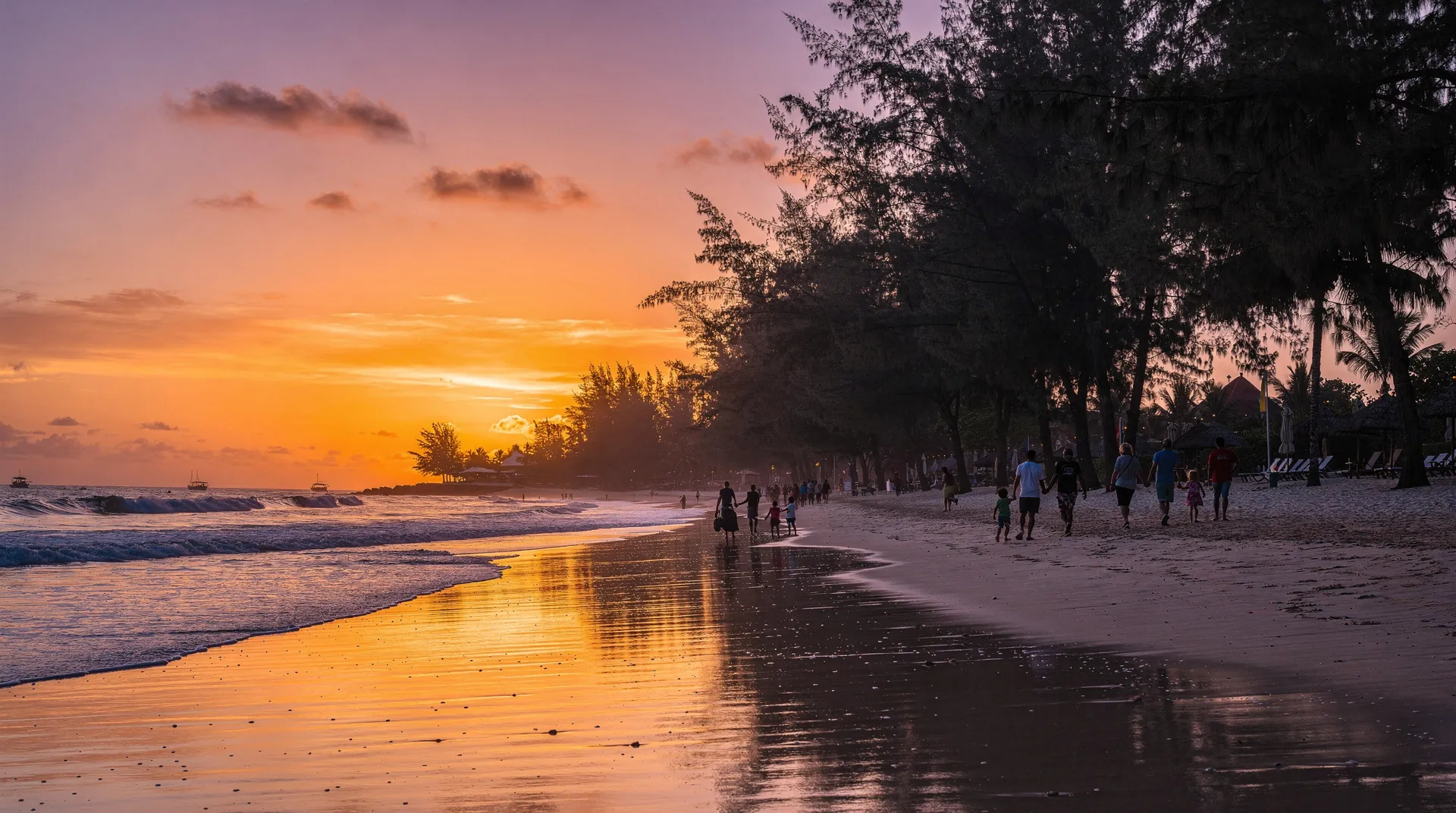
Albion fits naturally into a west coast circuit that starts in the north at Albion and its lighthouse, heads down to Flic en Flac for the beach and lunch, continues to Tamarin to see the dolphins in late morning, then finishes at Le Morne for one of the island’s finest sunsets.
This west coast route, rounded out with a visit to Chamarel inland to see the seven-colored earths, makes for one of the best days of discovery Mauritius has to offer. Our 7-day Mauritius itinerary builds this circuit into a complete program. To plan your budget, our Mauritius budget guide will give you all the cost details you need.
The west coast enjoys particularly favorable weather: it’s generally the sunniest side of the island, even during the rainy season that hits the east coast harder. Mauritius weather and the differences between the coasts are explained in detail in our dedicated guide. For a full west coast program on a guided excursion with transport included, book a southern excursion including Chamarel and west coast sites.